
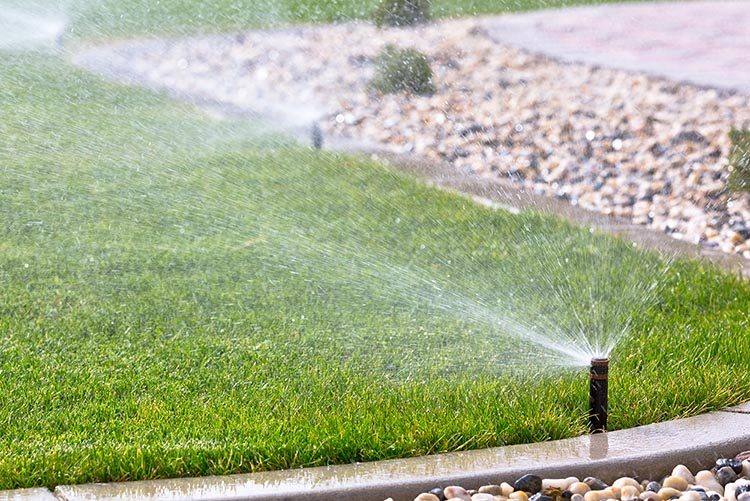
Irrigation systems are an essential part of maintaining healthy landscapes, gardens, and agricultural fields. However, even the most well-designed systems can develop leaks over time. In this guide, we explore the various signs of irrigation system leaks, explain the difference between DIY repairs and professional intervention, and provide valuable tips to help you maintain an efficient and leak-free system. Whether you’re a homeowner or a professional managing large properties, understanding when to call a professional can save you water, money, and a lot of unnecessary stress.
Understanding Irrigation System Leaks
Irrigation system leaks occur when water is lost from the system due to cracks, loose fittings, damaged pipes, or faulty valves. These leaks not only waste precious water but can also lead to significant financial losses, damage to property, and even issues with local water utilities. Recognizing the early signs of a leak is crucial for addressing the problem before it escalates.
Common Causes of Leaks
Leaks in irrigation systems can be attributed to several causes. Here are some of the most common issues:
- Damaged Pipes: Over time, pipes can crack due to pressure fluctuations, freezing temperatures, or simply wear and tear.
- Loose Connections: Fittings, joints, or connectors that are not securely attached can lead to leaks.
- Faulty Valves: Valves that do not close properly may allow water to seep out continuously.
- Soil Erosion: Shifting soils can cause pipes to move or break, creating unexpected leaks.
- Wear and Tear: The overall degradation of system components over time, compounded by weather exposure, can result in leaks.
To better understand how each of these factors plays a role in leak formation, imagine a typical yard irrigation system that has been in operation for several years. Even with regular use, continuous minor stress on a pipe or joint can lead to a small leak, which may eventually grow larger if not addressed promptly.
Identifying the Warning Signs
Before you make a decision about whether to attempt a DIY repair or hire a professional, it’s important to consider the warning signs of a leak. Being proactive and vigilant can prevent minor issues from becoming major headaches. Here are some key indicators that your irrigation system might be leaking:
Visible Signs on the Surface
It might seem obvious, but sometimes the signs are right in front of you:
- Muddy Patches or Wet Spots: If you notice unusually damp areas in your yard, especially when there hasn’t been recent rainfall, this could indicate an underground leak.
- Unexpected Plant Growth: Patches of lush, overgrown grass, or vegetation in an otherwise dry area, can point to excess water from a leaking pipe.
- Puddles or Pools of Water: The formation of small water bodies in places where water should normally drain away quickly may signal a leak.
Operational Indicators
Sometimes, the leak might not be visible immediately, but you can detect it through changes in the system’s performance:
- Unexpectedly High Water Bills: A spike in water bills, without any change in your usage patterns, often hints at a hidden leak in your irrigation system.
- Low Water Pressure: If you notice a drop in water pressure during irrigation, it may be because water is escaping through a leak.
- Uneven Distribution: Areas that are either too wet or too dry compared to the rest of your landscape can indicate a leak affecting water distribution.
DIY Fixes vs. Professional Repairs
When you discover a leak, you might feel tempted to try fixing it yourself. While some minor issues can be resolved with a bit of DIY knowledge, not all leaks are created equal. Here, we’ll explore when a DIY approach might work and when it’s best to rely on professional help.
When DIY Is Feasible
If you have experience working with plumbing or irrigation systems, some minor issues, such as tightening a loose fitting or replacing a small valve, can be tackled on your own. Consider the following points:
- Accessibility: If the leak is in an easily accessible part of the system, a DIY repair might be possible.
- Minor Damage: For small cracks or slow leaks that don’t significantly affect water pressure, you might use leak sealants or other repair kits.
- Cost-Effectiveness: For minor issues, a DIY solution may save you money if you’re confident in your repair skills.
When to Call a Professional
There are times when the situation calls for an expert’s touch:
- Hidden or Inaccessible Leaks: Leaks that occur underground or in hard-to-reach areas require specialized equipment and expertise.
- Severe Water Loss: If the leak is causing a significant increase in your water bill or has led to noticeable damage, it’s time to get professional help.
- Complex Systems: In cases where the system is large or highly integrated with smart controllers, a professional can ensure that repairs don’t compromise the overall system performance.
- Time-Sensitive Issues: When immediate repairs are needed to prevent further damage to your landscaping or foundation, a professional repair service can respond quickly and efficiently.
A professional repair service not only has the right tools to locate and fix the problem swiftly but can also diagnose underlying issues that might lead to recurring leaks. They often provide warranties on repairs and have the requisite experience to handle complications that might not be visible at first glance.
Preventative Maintenance Tips
Taking proactive steps can help you avoid emergencies and extend the lifespan of your irrigation system. Regular maintenance might seem like a chore, but the long-term benefits far outweigh the initial effort. Here are some preventative measures to consider:
Routine Inspections
Schedule regular visual inspections of your irrigation system to spot issues before they become major problems:
- Monitor Water Bills: Keep an eye on any unexplained increases in your water bill.
- Inspect the Landscape: Walk through your yard periodically to check for unnatural wet spots or signs of erosion.
- Check Valves and Fittings: Periodically ensure all connections are snug and all valves function properly.
Seasonal Maintenance
Different seasons bring various challenges to your irrigation system:
- Spring Check-Up: After the winter season, thoroughly inspect the system for any freeze-induced damage.
- Summer Routine: In the summer heat, stress on the system can lead to cracks and slow leaks, so regular checks are essential.
- Fall Preparation: Before winter sets in, make sure the system is drained and any vulnerable parts are protected.
Smart Upgrades
Invest in technology that can help you quickly identify leaks and monitor overall water usage:
- Water Flow Monitors: Devices that track water usage in real-time can alert you to potential leaks almost instantly.
- Automated Controllers: Modern irrigation systems equipped with smart controllers can not only optimize watering schedules but also detect anomalies in operation.
Comparing Costs and Savings
One of the most significant benefits of addressing irrigation system leaks promptly is the long-term cost savings. Here’s how spending a little upfront on professional repairs can ultimately save you money:
- Reduced Water Bills: Even minor leaks can add up, significantly increasing your monthly water expenses.
- Preventing Landscape Damage: Excess water can lead to plant diseases, erosion, and even structural damage to your property.
- Enhanced System Efficiency: A well-maintained irrigation system functions more efficiently, meaning your water usage is optimized.
- Long-Term Durability: Professional repairs often come with warranties, which add an extra layer of protection against recurring issues.
Some companies even offer consultations that include a full system evaluation and an estimate of potential savings, making it easier to decide when the professional route is more cost-effective than continued inefficiencies.
Conclusion
Maintaining an efficient irrigation system is not only about ensuring that your plants and lawns receive adequate water but also about preventing resource wastage, costly repairs, and potential property damage. Recognizing the early signs of an irrigation leak, understanding the limits of DIY repairs, and knowing when to enlist professional help are all critical steps in safeguarding your investment.
By following the guidelines provided in this article, you can take proactive measures to detect leaks early, choose the right time to call professionals, and even adopt some smart technologies to monitor your system continuously. Remember that a well-maintained irrigation system can save significant amounts of water and money over the years.
We hope this guide has shed light on the importance of addressing irrigation system leaks promptly and effectively. With the right mix of regular maintenance, prompt professional intervention when required, and a keen eye for detail, you can rest assured knowing your irrigation system is in top shape, contributing to a greener, more sustainable landscape for years to come.
Rather have a pro handle it? F&W has provided irrigation systems for Bloomington-Normal, Peoria, and Champaign-Urbana, Illinois properties since 1989. Call (309) 664-2666 or request a free quote.