
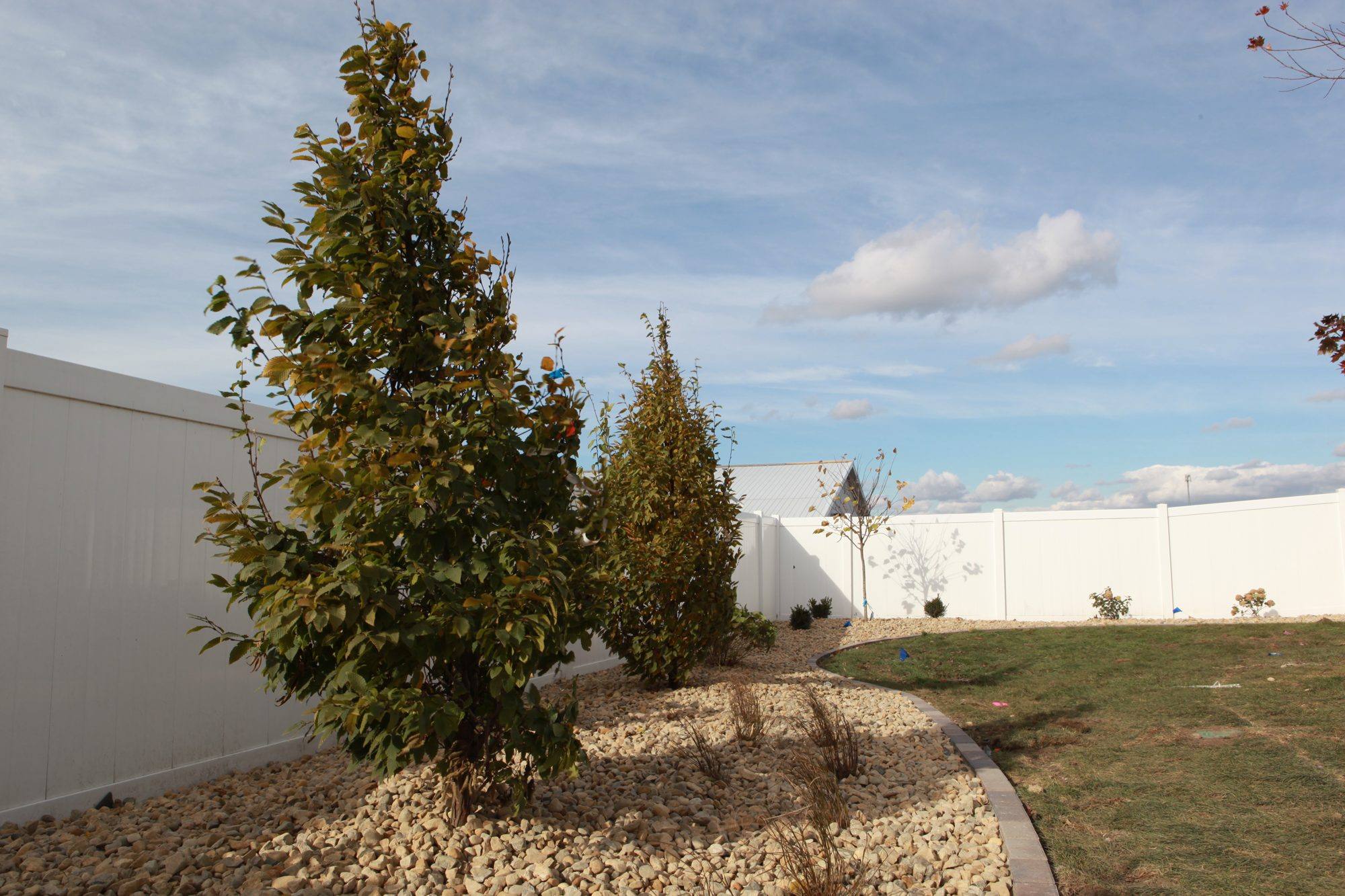
Welcome to our comprehensive guide on irrigation systems for new construction projects. Whether you’re a homeowner, builder, or landscape designer, this guide is designed to help you understand everything you need to know about planning, designing, and implementing efficient irrigation solutions.
From selecting the appropriate design to the best time to install the system, we cover it all in an easy-to-understand, informative, and casual manner. If you’re ready to create a sustainable and cost-effective watering solution for your new property, read on to get started.
Understanding the Basics of Irrigation Systems
Before diving into the specifics of designing and installing an irrigation system, it’s important to cover the fundamentals. An irrigation system helps deliver water directly to plants and landscaped areas, ensuring healthy growth while minimizing waste. In new construction, integrating a well-planned irrigation system early on can save both time and money during installation, and it can also enhance the long-term value of your property.
At its core, an irrigation system consists of several key components:
- Water Source: Often a municipal supply, well, or alternative water source.
- Piping Network: These are the channels or pipes through which water flows.
- Control Valves: Devices that regulate water flow to different areas.
- Distribution Devices: Such as sprinklers, drip lines, or hoses, depending on the needs of the landscape.
- Controllers: Modern digital controllers allow precise scheduling and management of watering times.
Understanding these components is fundamental as you advance through the planning and design process.
Design Options for Your Irrigation System
There is no one-size-fits-all approach to irrigation. The ideal system for your new construction will depend on several factors, including local water availability, landscape design, soil type, and plant selection. Here are some of the most common design options:
Traditional Sprinkler Systems
Traditional sprinkler systems are widely used due to their effectiveness in covering large areas, especially lawns. They are designed to spray water in a circular pattern over a given area.
Notable advantages include:
- Easy to install and maintain.
- Wide coverage that is ideal for large lawns or fields.
- The flexibility to adjust spray patterns and water pressure.
Drip Irrigation Systems
Drip irrigation delivers water directly to the roots of plants through a series of tubes and emitters. This system is ideal for gardens, shrubs, and areas where water conservation is critical.
The key benefits of drip systems are:
- Highly efficient watering with minimal evaporation losses.
- Reduced weed growth due to localized watering.
- The ability to handle varied terrain and plant types.
Smart Irrigation Systems
For a modern twist, many builders are turning to smart irrigation systems. These integrate weather sensors, soil moisture monitors, and Internet connectivity to automatically adjust watering schedules based on real-time data.
Key features include:
- Remote management via mobile apps and controllers.
- Automatic adjustments based on weather patterns.
- Enhanced water efficiency and operational control.
While advanced and technology-driven, smart systems often require a bit more upfront investment but provide long-term savings and sustainability benefits.
Planning and Design Strategies
With a variety of design options available, planning your irrigation system should always begin with a thorough evaluation of your specific construction needs. Consider the following key strategies:
- Site Analysis: Begin by assessing the layout of your property. Determine zones based on plant types, sun exposure, and soil conditions.
- Budget Considerations: Identify the budget available for the project. This will help determine if a traditional or smart system is the best route for your needs.
- Water Source Availability: Ensure that your site has a reliable water source. If you’re using a municipal supply, verify pressure levels and water quality.
- Future Needs: Consider future expansions or changes to your landscape. Flexibility in your design can accommodate growth or modifications without significant additional costs.
Additionally, you can perform a detailed watering audit if your property already features some irrigation. This might include:
- Mapping areas that tend to dry out faster.
- Identifying any visible inefficiencies in water usage.
- Consulting with landscaping professionals to adjust layouts for improved performance.
This preliminary research naturally guides you toward an effective design and installation strategy.
Optimal Installation Timing for New Construction Projects
One of the most crucial decisions in any irrigation project is knowing when to install the system. In the context of new construction, timing plays an essential role in ensuring an efficient and cost-effective setup.
Installation during construction is usually the most effective time. Since the site is in its early stages of development, you can easily integrate the necessary piping and other components into the overall building plans. Consider these points:
- Cost-Effectiveness: Installing the irrigation system during construction can minimize additional labor costs since much of the groundwork is already in progress.
- Minimized Disruption: Early planning ensures that irrigation lines are laid out without interfering with other key construction processes, reducing the risk of later modifications.
- Customized Design: Early installation means the design can be tailored to the layout of the constructed components, ensuring an aesthetically pleasing and functional result.
For those managing projects after construction, retrofit options are available as well. While more challenging, modern irrigation kits allow for easy updates to existing properties, though it might require increased labor and minor landscape changes.
Cost-Effective Watering Solutions
Efficiency is key when budgeting for new construction projects, and water usage represents a significant ongoing expense. Incorporating cost-effective watering solutions not only reduces utility bills but also supports a more sustainable environment.
Embracing Drip Irrigation for Efficiency
Drip irrigation is a tried-and-true method for reducing waste and targeting water directly where it is needed. Some of the cost-saving advantages include:
- Decreased evaporation rates compared to overhead systems.
- Lower water consumption over time.
- Reduced weed growth by limiting water exposure to non-target areas.
Smart Controllers and Weather-Based Adjustments
Investing in smart controllers may have a higher upfront cost, but they offer long-term savings. By integrating live weather data, these systems optimize watering schedules according to current conditions. Benefits include:
- Prevention of overwatering, thereby reducing water bills.
- Automatic adjustments during rainy periods or extreme heat, ensuring your landscape gets just the right amount of water.
- A detailed record of water usage that can be used to fine-tune the system over time.
Seasonal Adjustments and Maintenance Tips
Another cost-effective approach is to adapt your system seasonally. Consider the following strategies:
- Winterization: In colder climates, properly winterizing your system prevents damage, saving money on repairs.
- Regular Audits: Conduct annual reviews to identify leaks or inefficiencies.
- Smart Scheduling: Adjust schedules seasonally to match changes in weather patterns, ensuring that no water is wasted.
These mindful practices not only enhance cost efficiency but also contribute to a greener, more responsible water usage approach.
Incorporating Advanced Features for a Future-Ready System
Modern construction projects are increasingly incorporating advanced features into their irrigation systems, making them more efficient, adaptable, and easier to manage. Here are some innovative approaches you can consider:
Integration with Home Automation
With the rise of smart home ecosystems, integrating your irrigation system into these platforms offers seamless control from anywhere. Benefits include:
- Remote Access: Turn your system on or off using your smartphone or voice-controlled device.
- Automated Scheduling: Synchronize your watering schedule with your daily routine or seasonal needs.
- Data-Driven Adjustments: Monitor moisture levels and adjust watering based on the latest data.
Utilizing Geospatial Mapping for Precise Coverage
Geospatial mapping techniques have improved the precision of irrigation systems by providing detailed insights into soil composition, sun exposure, and water distribution patterns. With a well-mapped plan, you can:
- Optimize water distribution: Ensure water reaches every plant effectively.
- Identify high and low moisture areas: Adjust the system accordingly for better plant health.
- Plan for future modifications: Easily update or rezone watering areas as the landscape evolves.
Design Considerations for a Successful Implementation
Creating an irrigation system that meets the specific needs of your property requires careful thought and planning. Here are some design considerations you should keep in mind:
- Zone Division: Divide your landscape into logical watering zones based on plant types, sun exposure, and soil conditions. This allows for targeted irrigation.
- Piping Layout: Plan a piping layout that minimizes overlaps and reduces the risk of water pressure loss. Ensure the design is scalable for future changes.
- Valve Placement: Position valves strategically to control water flow to each zone according to demand.
- Accessibility: Design the system so that maintenance and repairs can be performed easily without disrupting the overall landscape.
Taking these steps during the design phase will help prevent common pitfalls and ensure that the system operates smoothly for years to come.
Maintenance Tips for Long-Term Success
An often-overlooked aspect of irrigation systems is ongoing maintenance. Regular upkeep is essential to ensure system longevity and efficiency. Here are some maintenance tips:
- Routine Inspections: Periodically check for leaks, clogs, or broken components. Early detection of issues can save significant repair costs.
- Seasonal Adjustments: Adjust the system clocks and schedules to account for seasonal weather changes. For example, reduce watering during rainy periods.
- Winter Preparations: In colder climates, drain the system or use antifreeze solutions as recommended to prevent pipes from freezing and bursting.
- Controller Updates: If you have a smart system, ensure the firmware is up to date so that it can accurately adjust to current weather conditions.
- Professional Servicing: Consider an annual review by a professional to audit and service the system, ensuring everything is in peak working order.
By following these maintenance practices, you can ensure that your irrigation system offers optimal performance while saving on potential repair costs over time.
Frequently Asked Questions
Here are some common questions potential customers have about irrigation systems in new construction projects:
When is the Ideal Time to Install an Irrigation System?
The best time is during the construction phase when groundwork is already underway, allowing for an integrated, cost-effective installation.
Which System is Best for Water Conservation?
Drip irrigation systems are highly efficient in water use. However, smart irrigation systems, which adjust automatically based on weather, can provide superior water conservation over time.
Will a Smart Irrigation System Work in All Climates?
Yes, smart systems are designed to adapt to any climate. They use weather data to modify schedules, making them effective in various conditions.
How Often Should the System Be Maintained?
A thorough inspection at least once a year is ideal, with additional checks during seasonal transitions to ensure optimal operation.
Conclusion
Designing and installing an irrigation system for new construction is a multifaceted process that requires careful consideration of various factors including design, timing, advanced features, and ongoing maintenance. By integrating efficient strategies such as drip or smart irrigation, you create a system that not only conserves water but also enhances the overall value and sustainability of your property.
Remember, the success of your project depends on thorough planning, attention to detail, and proactive maintenance. With this guide as your roadmap, you’re well-equipped to make informed decisions that ensure the long-term success of your irrigation system.
We hope this guide has provided valuable insights and practical tips to help you design an irrigation system that is effective, efficient, and perfectly aligned with your new construction project. Start planning today and turn your property into a lush, thriving environment with the perfect irrigation solution.
Rather have a pro handle it? F&W has provided irrigation systems for Bloomington-Normal, Peoria, and Champaign-Urbana, Illinois properties since 1989. Call (309) 664-2666 or request a free quote.