
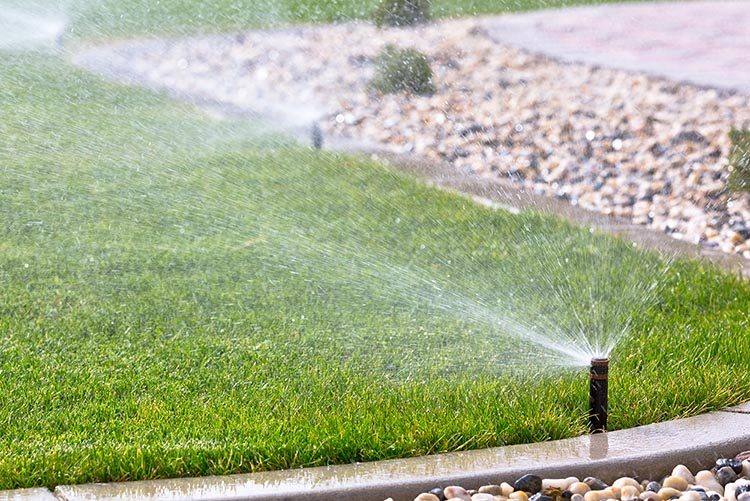
When winter begins to chill the air, your irrigation system faces the risk of severe freeze damage. As temperatures plunge, water trapped inside pipes, valves, and sprinkler heads can freeze and expand, causing cracks, leaks, and other costly damages. This guide explains why proper winterization is essential and details step-by-step techniques to protect your system, including blowout procedures, drainage methods, and additional system protection tips. Our aim is to help you enjoy a worry-free winter while preserving your irrigation system for the coming seasons.
Understanding the Risks of Freeze Damage
Winter conditions can be unforgiving to irrigation systems, especially those not adequately prepared. Freeze damage is a real and common threat that can lead to:
- Pipes Cracking: Expanding ice can cause pipes to burst, resulting in water leaks and significant repair costs.
- Valve Failures: Frozen valves may not operate correctly during the spring, leading to challenges in system startup.
- Sprinkler Head Breakage: Fragile parts like sprinkler heads can crack or misalign, affecting their performance in the irrigation cycle.
- Water Supply Disruption: Damaged components can result in inconsistent water distribution, and in worst-case scenarios, complete system failure.
Understanding these risks underscores the importance of a comprehensive winterization plan. With proper care and preparation, you can protect your investment and avoid the inconvenience and expense of unexpected repairs.
The Essentials of Irrigation Winterization
Winterizing your irrigation system involves a systematic approach to prepare each component for the freeze. The key areas of focus include:
- Cleaning and Inspection: Ensure the entire system is free of debris and in good condition before starting the winterization process.
- Blowout Techniques: Use professional blowout methods to remove water from the system safely.
- Effective Drainage: Incorporate drainage systems that prevent water from pooling in vulnerable areas.
- Insulation and Protection: Utilize insulation measures on critical components to safeguard against freezing temperatures.
- System Deactivation: Properly shut down the system to prevent accidental water flow during the cold months.
Each of these areas plays a critical role in ensuring that your irrigation system remains intact and ready to operate as soon as temperatures rise.
Step-by-Step Guide to Winterizing Your Irrigation System
The process of winterizing your irrigation system requires careful attention to detail and a systematic approach. In the following sections, we provide an in-depth look at each step.
1. Inspection and Preparation
Before beginning any winterization tasks, it is essential to inspect your entire irrigation system. This initial step helps you identify and address potential issues before they become major problems:
- Visual Inspection: Walk through your yard, check all sprinkler heads, valves, and pipes for signs of wear or damage.
- Clean the System: Remove debris, dirt, and fallen leaves that could block water flow or cause clogs.
- Check Controls and Timers: Ensure that electronic controls and timers are functioning correctly so they can be safely shut down for the winter.
- Replace or Repair Damaged Components: Replace any cracked sprinkler heads or faulty valves before initiating the winterization.
This preparation phase is critical as it ensures that the subsequent steps, such as blowout or drainage, are executed efficiently and effectively.
2. Utilizing Blowout Techniques
A popular method to winterize an irrigation system is by performing a blowout. This technique forces compressed air through the system to remove any water remaining in the pipes. Here are some essential considerations:
- Using the Right Equipment: Make sure to use a professional-grade air compressor. Avoid over-pressurizing the system as excessive pressure can damage the components.
- Step-by-Step Process:
- Turn off the water supply and close the main valve.
- Open all drain valves to help water escape naturally.
- Connect the air compressor to the designated blowout port.
- Set the compressor to the manufacturer’s recommended pressure (typically between 50-80 PSI).
- Pass compressed air through each zone until no water is visible exiting the sprinkler heads.
- Close all sprinkler heads immediately after blowing out water.
- Safety Measures: Always wear safety goggles and ear protection when operating an air compressor. Ensure bystanders, especially children and pets, stay at a safe distance.
If you’re uncertain or uncomfortable performing these techniques on your own, consider hiring a professional service to handle the blowout process for you.
3. Drainage Methods
Proper drainage is another critical component in winterizing your irrigation system. Even after a thorough blowout process, some water may linger in low points of the system. Here are some effective drainage strategies:
- Manual Draining:
- Locate all manual drain valves integrated into your system.
- Open these valves and allow any remaining water to flow out naturally.
- Automatic Drainage:
- Some modern irrigation systems include automatic drain valves designed to open when the pressure drops below a certain level. Verify that these devices are operational.
- Site-Specific Considerations:
- Check all low spots and ensure that any accumulated water is directed away from the irrigation components.
- Implement additional drainage solutions if your landscape is prone to pooling water.
Using these strategies together can significantly minimize the risk of any remaining water freezing and causing damage.
4. Insulation and Additional Protection Measures
While blowout and drainage are primary methods, additional protective measures can further safeguard your irrigation system against extreme cold:
- Insulation: Use foam insulation covers for exposed pipes and valves. These covers help maintain a temperature that prevents freezing.
- Heat Tape: In areas prone to severe freezes, consider wrapping heat tape around vulnerable pipes. This device acts as a constant heat source, reducing the risk of freezing.
- Protective Covers: Use weather-resistant covers for control boxes and other sensitive areas within your irrigation system.
- Temporary Enclosures: For outdoor electronic controls or valves, building or purchasing temporary enclosures can protect these parts from severe winter elements.
These additional measures ensure that even if a small amount of water remains, the risk of total system failure is minimized.
Additional Considerations When Winterizing Your Irrigation System
Beyond the standard steps of blowout and drainage, there are several additional considerations to ensure your irrigation system endures the winter months:
Checking Manufacturer Guidelines
Each irrigation system comes with its own set of recommendations and requirements. Before beginning the winterization process, carefully review your system’s manual or manufacturer guidelines. This document often includes:
- Pressure Recommendations: Ensure you do not exceed the recommended PSI during the blowout.
- Component-Specific Instructions: Follow unique instructions for valves, timers, or control boxes which might differ from general recommendations.
- Maintenance Tips: Some manufacturers include additional maintenance tips that can extend the life of your system.
Tailoring your winterization process to your specific system ensures efficiency and avoids accidental damage caused by a generic approach.
Timing is Everything
The timing of your winterization efforts can significantly impact the outcome of your protection strategy. It is recommended to:
- Begin preparations before the first frost, ideally in late fall.
- Avoid waiting until the temperature drops too low, as water inside the system may already begin to freeze.
- Monitor weather forecasts closely so that you can complete the necessary steps during a window of relatively warmer temperatures.
By starting early, you create ample time to address any unexpected issues and perform necessary repairs, ensuring a robust and effective winterization.
Maintenance and Regular Inspection
After winterization, regular inspection and routine maintenance add an extra layer of security to your irrigation system:
- Post-Winter Inspection: At the end of winter, inspect the system for any signs of freeze damage before turning it back on for the spring season.
- Component Checks: Look over pipes, valves, and sprinkler heads for cracks or malfunctions. Replace any components that appear damaged.
- System Cleaning: Remove any winter debris that may have accumulated around system components.
- Professional Servicing: Consider scheduling professional servicing annually to ensure every detail is addressed, especially if you experience regular harsh winters.
Regular maintenance not only keeps your system in optimal condition but also helps detect issues early, minimizing costly repairs later.
Enhancing Winterization with Professional Services
While many homeowners opt to winterize their irrigation systems themselves, hiring a professional service may be the best option for complex or high-end systems. Professional irrigation experts bring specialized knowledge, ensuring that:
- All components are correctly and safely winterized.
- The system is thoroughly inspected for hidden issues that might be missed during self-servicing.
- Advanced tools, like high-capacity air compressors and specialty equipment, are used to guarantee the complete removal of water.
- Customized guidance is offered, tailored to your system’s specific design and installation nuances.
If you’re interested in expert assistance with your irrigation winterization, we encourage you to contact our professional team today. Our experts are ready to provide an evaluation and detailed service plan tailored to your unique needs.
Frequently Asked Questions
Below are some common questions regarding irrigation winterization:
When is the best time to winterize my irrigation system?
It is best to begin winterizing your irrigation system before the first frost. This typically means initiating the process in late fall when temperatures begin to drop, ensuring that water does not have time to freeze in the pipes.
Can I safely use a blowout method on my irrigation system without professional help?
While many homeowners perform blowout techniques successfully, it is crucial to follow manufacturer guidelines and safety protocols. If you are not comfortable using an air compressor or lack the right equipment, we recommend that you hire a professional who can conduct the process safely and effectively.
Do all irrigation systems require winterization?
Generally, any irrigation system exposed to freezing temperatures is at risk of freeze damage. Even systems with automatic drain valves should be inspected and prepared at the onset of winter to ensure longevity and proper functionality.
What additional measures can I take beyond blowing out the pipes?
In addition to blowout techniques, you can use insulation covers, heat tape, and protective enclosures. Make sure to follow your manufacturer’s recommendations for a comprehensive protection strategy.
Conclusion
Winter is an inevitable challenge for any irrigation system. However, with proper winterization techniques, including meticulous inspection, thorough blowout processes, effective drainage strategies, and added protection measures, you can shield your investment from freeze damage.
The key to a successful winterization process is to start early, follow detailed procedures, and consider professional assistance when necessary. By implementing the tips in this guide, you can minimize the risks of cracks, leaks, and system shutdowns, ensuring a smooth transition into spring without the headache of costly repairs.
Remember, a well-prepared irrigation system not only saves money in the long run but also provides peace of mind throughout the colder months. Take the time now to protect your system, and let it flourish when the warmth returns.
Ready to Winterize Your Irrigation System? Don’t wait for the first frost to hit. Contact us today to schedule a comprehensive service or to receive personalized advice on maintaining your irrigation system during winter. Our team is here to help you every step of the way.
Rather have a pro handle it? F&W has provided irrigation systems for Bloomington-Normal, Peoria, and Champaign-Urbana, Illinois properties since 1989. Call (309) 664-2666 or request a free quote.