
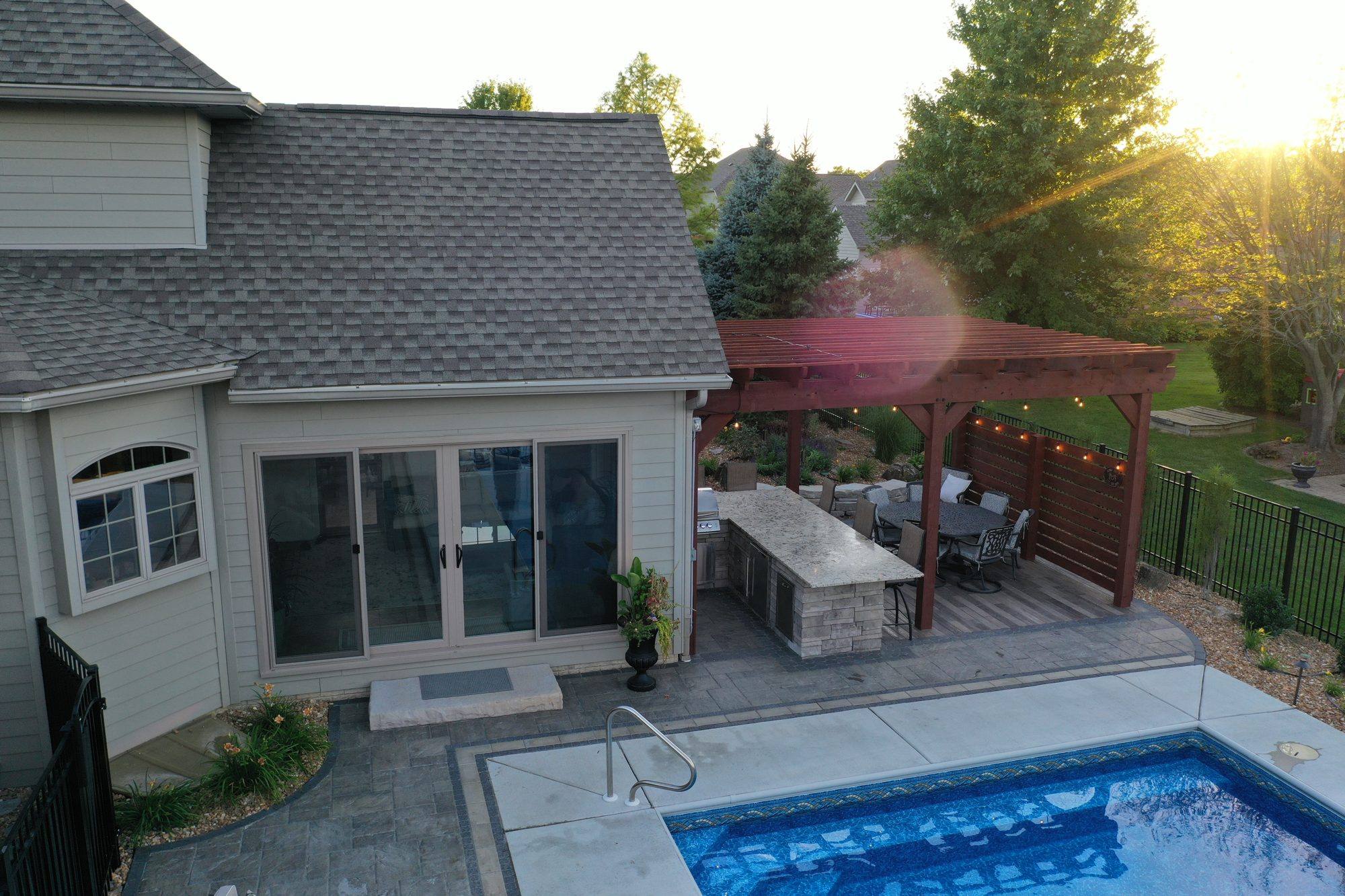
Designing a large residential landscape is both an art and a science. When approached thoughtfully, your outdoor space can become an extension of your home, an inviting retreat that beautifully blends aesthetics with functionality. Whether you envision a tranquil garden sanctuary, an entertaining space, or a child-friendly area, planning and design will play crucial roles in ensuring your landscape exceeds your expectations.
In the following sections, we will explore practical tips, detailed ideas, and expert advice to help transform your outdoor vision into a thriving reality.
Establishing Your Landscape Vision
Before you start sketching ideas or selecting plants, it is vital to have a clear vision for your landscape. By establishing your goals early, you can create a design that reflects your lifestyle while also addressing the natural characteristics of your property. Your vision should include both aesthetic goals and functional priorities.
Consider these aspects when shaping your vision:
- Purpose: Is the primary goal to provide entertainment space, a private retreat, or a family garden?
- Style: Do you lean toward a modern, minimalist look, or do you prefer a traditional, lush landscape feel?
- Usage: How do you plan to use your outdoor space? Is it for hosting gatherings, relaxation, gardening, or leisure activities?
- Budget: What are your projected costs, and how can you plan for both current and future investments?
As you consider these factors, envision the atmosphere you want to create. Perhaps you dream of a space that transitions seamlessly from an open lawn to a secluded seating area tucked away among tall hedges. Whatever your desire, a well-defined vision is the cornerstone of any successful landscape design project.
Assessing Your Property and Its Potential
Every large residential property comes with its unique set of characteristics, including terrain, climate, and existing vegetation. A thorough assessment of your property will inform decisions on placement, plant choices, and the overall design direction.
When evaluating your property, keep these elements in mind:
- Topography: Notice the slopes, natural drainage patterns, and areas that receive optimal sunlight.
- Soil Quality: Understanding the soil type can help determine the plants that will thrive without excessive amendments or irrigation.
- Existing Features: Identify mature trees, water features, and other standout elements that could be preserved or highlighted within your design.
- Climate: Consider the prevailing weather conditions, seasonal changes, and microclimates that might affect plant performance.
Mapping out these factors can be an enlightening experience, providing a clearer picture of your landscape’s potential. You may even consider consulting a soil specialist or a landscape architect for expert insights on your property’s natural advantages and challenges.
Conceptual Design and Layout Planning
With your vision and property assessment in hand, the next step is to translate ideas into a coherent design layout. This process involves conceptualizing zones, drafting sketches, and considering multiple design elements to create a balanced space.
Some common design steps include:
- Sketching a Rough Plan: Start by drawing a scaled plan of your property. Mark key features, existing structures, and natural boundaries.
- Defining Zones: Consider separating your landscape into distinct areas based on function. Popular zones include:
- Entertainment areas with seating and fire pits
- Quiet, secluded spaces for relaxation
- Active play zones for children or sports activities
- Garden beds or vegetable plots for nature lovers
- Integrating Pathways and Circulation: Plan walkways and access points that logically connect different zones while adding visual appeal.
- Considering Focal Points: Identify areas that will serve as the visual centerpiece of your landscape, such as a fountain, a grand tree, or an art piece could serve as a natural focal point.
This stage may also involve the integration of hardscape elements such as patios, decks, walls, or water features. Use this opportunity to combine practical functions with striking aesthetics that complement your overall landscape vision.
Enhancing Curb Appeal and Entry Area
The landscape surrounding your home’s entryway sets the tone for what visitors and neighbors experience. A thoughtfully designed front yard or entry garden does more than beautify. It also improves the value and welcoming feel of your property.
Tips for creating an attractive entrance include:
- Designing an inviting driveway or pathway that leads naturally to your door
- Incorporating mixed plantings, including textures and colors that seamlessly transition from house to landscape
- Utilizing lighting to highlight significant features and provide security during the evening hours
- Adding focal elements such as ornamental trees, sculptures, or water features near the entry
By focusing on the details of your entry area, you establish an inviting connection between your home and its surrounding outdoor sanctuary.
Choosing the Right Plant Palette
Plants are fundamental to any residential landscape design. With so many options, choosing the right combination for your climate, soil, and design goals can be a creative challenge. Consider these approaches when finalizing your plant palette:
- Native and Adapted Species: Choose plants well-suited to your local environment. These species often require less water and are more resistant to local pests and diseases.
- Seasonal Interest: Plan for year-round beauty by incorporating plants that offer diverse colors, textures, and blooms throughout the seasons.
- Focal and Accent Plants: Use larger trees or standout shrubs as focal points, and complement them with smaller plants that add depth and detail. Be sure to protect trees from insects with a regular care routine, as pest damage can quickly undermine even the most carefully planned design.
- Sustainability: Consider drought-tolerant plants or incorporate practices that reduce water consumption while enhancing the visual impact of your landscape.
When planning your plantings, it helps to create a garden plan that details where each species will be placed, ensuring that the overall design remains cohesive. This careful planning also allows you to consider growth patterns and potential maintenance challenges over time.
Integrating Hardscape and Softscape Elements
A well-designed large residential landscape strikes a balance between hardscape (non-living elements) and softscape (living elements) features. The successful integration of these elements creates visual interest and a functional outdoor space.
Consider the following when planning your hardscape and softscape elements:
- Patios and Decks: Provide spaces for relaxation and outdoor dining. Choose materials that complement your home’s architecture while ensuring durability.
- Walkways and Driveways: Use various materials such as natural stone, brick, or concrete to define pathways and connect different zones within your property.
- Water Features: Install fountains, ponds, or small streams that can serve as focal points and enhance the tranquility of your outdoor retreat.
- Seating and Outdoor Furniture: Select durable, weather-resistant furniture that encourages leisure and social gatherings while fitting seamlessly into your design.
- Garden Beds and Planting Areas: Integrate defined planting spaces that support your chosen plant palette and add structure to your landscape layout.
Combining these elements harmoniously will transform your outdoor space into an inviting area that offers distinct experiences for every type of activity, whether it be social gatherings, quiet contemplation, or playful adventures for children.
Prioritizing Sustainability and Efficiency
As environmental concerns become increasingly important, sustainable design is a key factor in large residential landscapes. By incorporating eco-friendly practices, you not only reduce environmental impact but also often lower maintenance requirements and long-term costs.
Focus on these sustainable design strategies:
- Water Conservation: Install drip irrigation systems and choose drought-tolerant plants to minimize water use. Consider a rainwater collection system to further support sustainable watering practices.
- Native Planting: Use plants that are naturally adapted to your climate. Native species require less supplemental watering and fertilizer, making them ideal for environmentally conscious designs.
- Energy Efficiency: Incorporate solar lighting and energy-efficient outdoor appliances to reduce your carbon footprint.
- Green Materials: Opt for recycled or locally sourced materials for hardscape features. Not only does this benefit the environment, but it also supports local businesses and artisans.
For those planning irrigation from scratch, planning your first irrigation system covers everything you need to make an informed decision. And if you want to take efficiency a step further, smart irrigation controllers offer automated, data-driven watering that can dramatically reduce waste over time.
By integrating these eco-friendly principles, your landscape will be both beautiful and responsible, a reflection of modern design that cares for the environment.
Budgeting and Phased Implementation
A common challenge in large landscape design is balancing your overall design aspirations with a realistic budget. A strategic approach to budgeting involves careful planning, smart material choices, and sometimes a phased implementation plan.
Consider these tips to align your design with your budget:
- Prioritize Key Elements: Decide which aspects of your design are essential from the outset, and which features can be introduced in phases. One smart way to lock in savings early is to prepay for lawn maintenance in January, often securing off-season discounts before the busy season begins.
- Cost-Effective Materials: Research alternatives to premium materials that still provide durability and aesthetic appeal. Consider materials that are locally available to reduce transportation costs.
- DIY Elements: If you are handy and willing to invest time, some aspects of the project can be completed as DIY projects, such as installing garden beds or simple hardscape features.
- Plan for Growth: Design your landscape so that it can evolve over time. A phased approach allows you to enjoy certain areas immediately while saving funds to enhance or expand other sections later.
This methodical approach to budgeting ensures that your investment delivers both beauty and functionality over the long term. Keep a detailed record of expenses and be prepared for unexpected costs while remaining flexible with your design priorities.
Maintenance and Long-Term Care
Once your large residential landscape is in place, ongoing maintenance is essential to preserve its beauty and functionality. By planning for long-term care upfront, you protect your investment and ensure your outdoor space continues to thrive throughout the seasons.
Here are some key strategies to ensure longevity:
- Seasonal Care: Regular pruning, fertilization, and pest management are necessary for keeping plants healthy and vibrant. Adjust these practices according to seasonal changes.
- Water Management: Monitor irrigation systems and adjust watering schedules based on weather variations. Scheduled maintenance on water features also keeps them running smoothly.
- Hardscape Upkeep: Routine cleaning and repairs of pathways, patios, and structures prevent long-term deterioration. Consider sealing stone and wood surfaces to extend their lifespan.
- Professional Consultation: Regular check-ins with a professional lawn care and landscaping service can help spot potential issues early and provide expert care throughout the year.
Developing a maintenance plan that blends routine tasks with seasonal adjustments can make landscape care manageable, preserving the aesthetics and functionality of your outdoor space for years to come.
Working with Landscape Professionals
While many homeowners enjoy the DIY aspects of garden design, there are instances when collaborating with experienced landscape professionals can make all the difference. Expert guidance ensures that complex projects are executed smoothly and efficiently.
If you are considering professional assistance, here are some benefits they bring to your project:
- Expert Design Input: Professionals can transform your ideas into detailed plans and offer creative solutions that you might not have considered.
- Project Management: Coordinating multiple elements like hardscape and softscape integration requires the expertise of someone who understands the nuances of the design and construction process.
- Access to Resources: Landscape professionals often have established relationships with trusted suppliers and contractors, ensuring quality materials and workmanship.
- Time and Cost Efficiency: While an upfront investment is required, professional oversight can help prevent costly mistakes and streamline the implementation process.
Thinking about elevating your outdoor space with professional help? Contact our design team to discuss how we can tailor a plan that addresses every detail of your landscape project.
Embracing Flexibility for Future Growth
Design is not a static process; it is an evolving journey. Particularly with large residential landscapes, your outdoor space should be designed to adapt over time. Incorporate flexibility into your design by:
- Leaving room for expansion: Whether it’s extra garden beds or additional seating areas, building in adaptable spaces allows you to evolve your design as your needs change.
- Choosing modular elements: Using furniture or structural features that can be reconfigured across different seasons can keep your landscape feeling fresh.
- Staying open to redesign: As you live in your landscape, new ideas may spark that encourage tweaks or expansions. A design that welcomes change ensures ongoing engagement with your outdoor space.
Remember that your landscape should grow with you. Over the years, maintenance routines will evolve, and design trends may shift; incorporating flexibility ensures that your investment remains timeless and adaptable.
Get Started on Your Landscape Journey
Whether you’re beginning with initial sketches or have a fully formulated design in mind, remember that the process of creating a large residential landscape is a dynamic adventure. Embrace the gradual transformation and allow your space to evolve as you discover new ideas along the way. With the right planning, a collaborative approach, and expert guidance, your landscape can become an extension of your home: a vibrant, living masterpiece that reflects your personality and lifestyle.
Ready to transform your outdoor space? Reach out to our team for a consultation and let us share our expertise and passion for landscape design with you. Together, we can build a timeless, expressive, and sustainable outdoor retreat that you’ll enjoy for years to come.
Rather have a pro handle it? F&W has provided hardscapes for Bloomington-Normal, Peoria, and Champaign-Urbana, Illinois properties since 1989. Call (309) 664-2666 or request a free quote.