
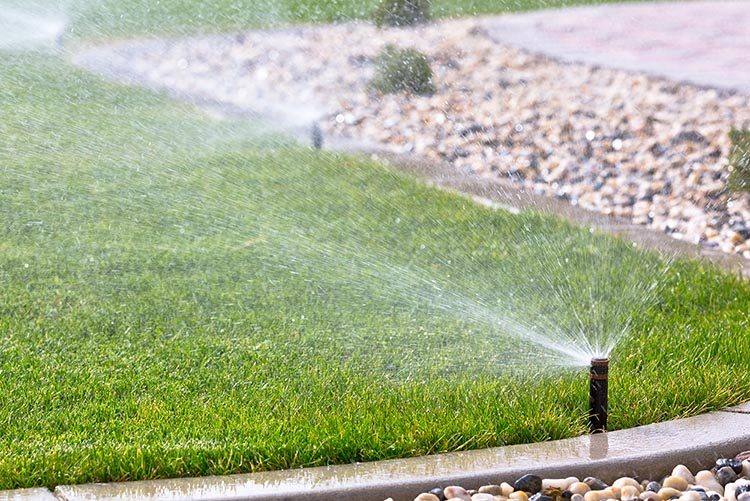
Low water pressure in a sprinkler system can be frustrating, especially when you want your lawn to look its best. When a sprinkler system isn’t delivering its full potential, it may be due to clogged nozzles, faulty valves, or issues with your water supply.
In this guide, we’ll walk you through a detailed diagnostic process and provide clear, actionable steps to fix low water pressure issues so that your sprinkler system functions at its highest efficiency.
Understanding the Basics
Before diving into remedies, it is important to understand the essential elements of a sprinkler system. A well-functioning sprinkler system depends on proper water flow, appropriate pressure, and clean components. The system is usually made up of a network of pipes, valves that control different zones, and nozzles or sprinkler heads that disperse water evenly. Any disruption in one of these components can impact the overall performance. Consider the following common issues:
- Clogged sprinkler nozzles
- Faulty or partially closed valves
- Sediment build-up in pipes and connections
- Insufficient water supply from the main water line
A quick tip: If your sprinkler system is integrated with smart irrigation controllers, check for any error messages or alerts that could point to issues with pressure or performance.
Diagnosing the Problem
Identifying the cause of low water pressure is critical. Not every problem will have the same solution, so start by systematically pinpointing the potential source of the issue.
Check the Water Supply
- Verify that the main water supply valve is fully open.
- Look for any leaks or obstructions in the water line that may impact water flow.
- If your water pressure seems low even when not actively spraying your lawn, it may be a municipal supply issue. In these cases, contact your local water utility for further verification.
Inspect the Valves
- Ensure that all sprinkler valves are in the proper position. Sometimes, valves can get partially closed, especially after maintenance work.
- Listen for unusual sounds such as rattling or humming, which can indicate wear and tear or a failing valve.
- If you suspect a valve malfunction, it may require replacement. Many sprinkler service companies offer professional valve repair or replacement services, so consider reaching out if the fix isn’t straightforward.
Evaluate the Sprinkler Heads and Nozzles
- Remove individual sprinkler heads and clean them thoroughly. Dirt, sediment, and lime deposits can build up, restricting the flow of water.
- Look for any signs of damage or wear on the nozzles. If a nozzle is cracked or worn down, it may need to be replaced.
- Use a small brush or a thin wire to clear any clogs if cleaning alone isn’t sufficient.
Look For Pipe or Connection Blockages
- Sediment and mineral deposits can accumulate inside the pipes over time.
- Check accessible sections of the piping for any visible build-up or blockages.
- A pressure gauge attached to your system can help you determine whether there is a significant drop in pressure at particular points.
Step-by-Step Troubleshooting and Repair
Once you have assessed the possible causes, you can take a systematic approach to resolve the low water pressure:
Step 1: Verify the Main Water Supply
- Confirm that the main control valve leading to your sprinkler system is open 100%. Sometimes, it might be unintentionally lowered during routine maintenance.
- Check that no other major water-consuming activities are occurring simultaneously in your home that could reduce available pressure.
- If your pressure is still low after these checks, a pressure regulator on your property might be malfunctioning. Inspect or replace it if necessary.
Step 2: Clean All Sprinkler Heads
- Remove the sprinkler heads from their fittings.
- Rinse them under running water and use a soft brush to dislodge any debris.
- If mineral deposits are significant, soak the parts in a vinegar solution for 15–20 minutes before brushing again.
- Reinstall the heads and test the system.
Step 3: Test and Adjust the Valves
- Locate the manual overrides or solenoid valves on your sprinkler line.
- Manually move through each valve, ensuring it doesn’t show signs of rust, corrosion, or damage.
- If a valve shows any issues, note its zone and consider that it might be the source of your pressure problem. Faulty valves should be replaced by professionals to ensure a perfect fit and proper installation.
Step 4: Flush the System
- Blocked pipes and filters can cause significant pressure drops. To clear these, raise the pressure by temporarily shutting off all valves and then opening a tap or outlet where water can be safely drained.
- Use a hose attachment if available for controlled flushing.
- After the flush, reassemble and test each section for improved performance.
Step 5: Address Unexpected External Factors
- Environmental factors, such as local water restrictions or seasonal changes in pressure, may affect performance. Keep an eye on local advisories regarding water usage.
- If you recently installed any landscape modifications (e.g., new irrigation zones or extension of the system), double-check that all new connections meet compatibility and quality standards.
Expert Tips for Long-Term Maintenance
After you’ve fixed the immediate low pressure concerns, adopting a proactive maintenance routine can prevent future occurrences. Consider these expert tips:
- Develop a seasonal maintenance schedule that includes cleaning, inspection, and minor repairs.
- Invest in a quality pressure gauge to monitor your irrigation system. Regular monitoring ensures that any changes in performance are caught early.
- When cleaning sprinkler heads, use environmentally friendly cleaning agents that are safe for water systems.
- Watch out for early signs of wear in valves by listening for unusual sounds and checking for water leaks.
Advanced Troubleshooting: When to Seek Professional Help
While many low water pressure issues in a sprinkler system can be addressed with a hands-on approach, some situations require professional expertise. Consider contacting a professional sprinkler repair service if you notice any of the following:
- Persistent low water pressure despite multiple cleaning and flushing attempts.
- Repeated failures or unusual noises from multiple valves.
- Signs of significant pipe corrosion or internal damage that may not be safely repairable without specialized tools.
- Challenges integrating modern smart irrigation controls with older system setups.
Having a professional inspect your system offers peace of mind and ensures that repairs align with industry standards. At our company, our certified technicians are available to inspect, repair, and even upgrade your sprinkler system with the latest technology, a service we highly recommend if you’re experiencing recurrent issues.
Cost Considerations and Benefits of Timely Repairs
Fixing low water pressure in your sprinkler system is more than a matter of convenience; it is also a cost-saving investment. Here’s why prompt action matters:
- Water Efficiency: Efficient water use means you’re not wasting water due to leaks, clogs, or improper spray distribution. A well-tuned system uses water more precisely, which is especially important in areas with water restrictions.
- Enhanced Lawn Health: A richly irrigated lawn is less prone to dry patches and maintains its visual appeal, increasing your home’s curb appeal.
- Preventing Long-Term Damage: Neglecting small issues now may lead to more serious, costly repairs in the future – including water damage to property or complete system failures.
- Return on Investment: Regular maintenance and small repairs extend the system’s life, ensuring it continues to operate effectively for years to come.
At the first sign of low water pressure, act swiftly. Not only will this ensure the ongoing health of your lawn but it will also save you from the higher expense of extensive repairs down the road.
Innovative Upgrades: Smart Sprinkler Systems
Technological advances have permanently changed the irrigation industry. Today, smart sprinkler systems are designed to optimize water usage, adjust for weather conditions, and significantly reduce the hassles of manual maintenance. Consider these enhancements:
- Wireless Connectivity: Many modern systems allow you to control watering remotely through a smart app, which can adjust schedules automatically based on local weather forecasts.
- Sensor Integration: Soil moisture sensors and rain detectors can shut off watering when conditions are not optimal, providing both convenience and efficiency.
- Automated Diagnostics: Some smart systems are equipped with sensors that alert you to potential issues like low water pressure, leaks, or clogged components.
- Energy Efficiency: With less wasted water and more targeted irrigation, smart sprinkler systems contribute to lower utility bills and a healthier environment.
Ensuring Stability in Water Supply
Another important aspect of maintaining adequate water pressure is related to the consistency of your water supply. Both internal and external factors can impact flow rates:
- Municipal Supply Variations: In some regions, water pressure from the main supply can fluctuate based on demand. During peak usage times, your sprinkler system might receive less pressure, causing uneven watering.
- Cistern and Pump Systems: If your property relies on a cistern or pump, the pump’s performance plays a crucial role in overall pressure. Regular pump maintenance and checks of the cistern’s water level are essential.
- Pressure-Boosting Systems: Consider installing a pressure booster if you consistently experience low pressure. A professionally installed booster can significantly improve your irrigation system’s performance without overloading the plumbing infrastructure.
A quick checklist can help you evaluate your water supply reliability:
- Verify that all water sources feeding the sprinkler system are operational.
- Monitor your home’s water pressure gauge during different times of the day.
- Inquire with your local water authority about any scheduled maintenance or known issues on the supply network.
- Evaluate your pump system’s performance if you rely on mechanical boosting.
Seasonal Adjustments and Environmental Considerations
Environmental factors can have a significant influence on your sprinkler system’s performance. It is worthwhile to recalibrate your system periodically based on seasonal changes:
- During warmer months, high evaporation rates may require increased flow rates, yet low pressure can limit performance.
- In rainy seasons, sensors can help disable watering to conserve water. Ensure these sensors are functioning correctly by performing seasonal tests.
- In areas prone to sediment deposition, routine flushing of the system before the start of the irrigation season can help maintain optimal function.
To support your system’s performance year-round, consider these practices:
- Document seasonal water usage and adjust watering schedules accordingly.
- Perform thorough inspections and cleaning at the beginning of each season.
- Replace any outdated components with modern, durable alternatives that better resist environmental impacts.
- Use landscape-friendly water management techniques such as mulching to improve soil moisture retention.
Conclusion
Resolving low water pressure issues in your sprinkler system can seem daunting, but with a systematic approach to diagnosis, maintenance, and repair, you can restore efficient water flow and ensure your landscape stays lush and vibrant. Regular maintenance not only improves water distribution but also extends the lifespan of your entire irrigation system. From checking primary water supplies to upgrading with smart technology, the steps outlined in this guide can help prevent future complications.
Remember, a little preventative care goes a long way in keeping your sprinkler system (and your landscape) in excellent condition. With ongoing vigilance and occasional professional support, you can enjoy a thriving lawn and garden year-round.
If you have any further questions about your specific system or need professional assistance, feel free to contact us. Our team of experts is dedicated to providing timely, effective, and affordable solutions to all your sprinkler system challenges.
Rather have a pro handle it? F&W has provided irrigation systems for Bloomington-Normal, Peoria, and Champaign-Urbana, Illinois properties since 1989. Call (309) 664-2666 or request a free quote.