
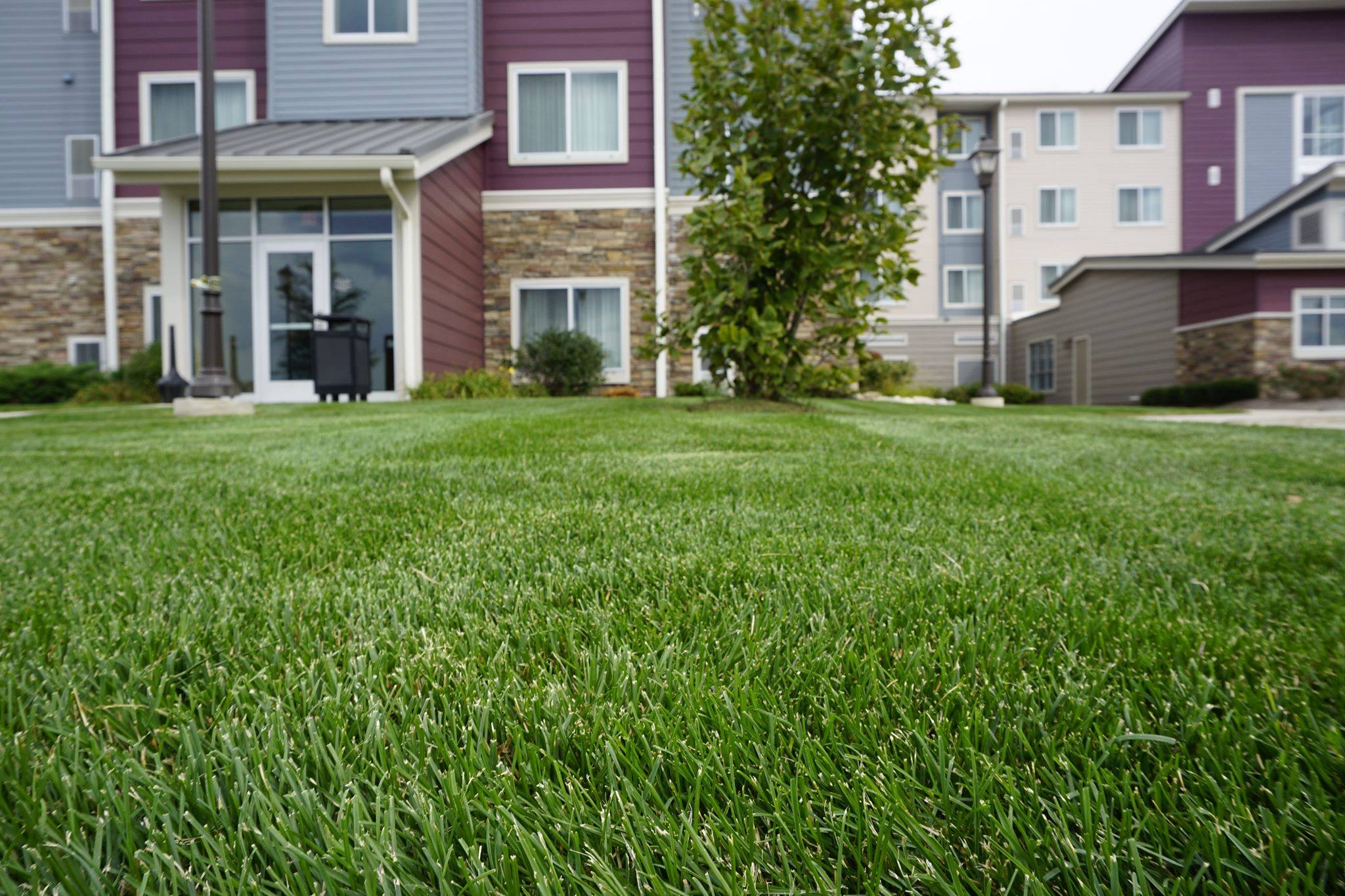
As the vibrant hues of summer fade and the crisp air of fall sets in, professional lawn care and garden enthusiasts alike face a common challenge: preventing the return of invasive weeds in the spring. Fall weed control is a proactive approach that employs targeted preemergent strategies and thorough lawn maintenance to keep your landscape healthy and weed-free.
In this guide, we explore essential techniques, offer practical advice and actionable steps, and explain why fall is the ideal season for this important maintenance task.
Understanding the Importance of Fall Weed Control
Fall is a transitional season that provides a unique opportunity to address weed problems before they become overwhelming in the spring. By focusing on weed control during this period, you can:
- Reduce Weed Seed Production: Many annual weeds complete part of their life cycle in the summer. Treating the lawn in the fall prevents these weeds from setting seed, drastically reducing their presence next season.
- Enhance Preemergent Effectiveness: Applying preemergent herbicides in the fall ensures that the chemical remains active in the soil, creating a protective barrier that stops weed seeds from germinating during the critical transition into spring.
- Improve Lawn Resilience: Fall is the ideal time for fertilization, overseeding, and other lawn care practices that strengthen your grass, making it more competitive against weed invasion.
- Extend the Lifespan of Your Landscape: Regular maintenance and timely treatments not only enhance the beauty of your outdoor space but also safeguard your investment in landscaping over the long term.
The combination of these benefits can significantly decrease the weed population over time, resulting in a healthier, denser lawn that naturally resists weed infestation.
Preemergent Strategies for Fall Weed Control
Preemergent herbicides are cornerstone products in the battle against weeds. The main goal of these chemicals is to inhibit weed seed germination, meaning that if the herbicide is correctly applied, weeds will never get the chance to form visible problems. The success of preemergent treatments hinges on timing, application technique, and understanding the specific weed species common in your area.
Key Considerations for Preemergent Application
Before applying any preemergent herbicide during the fall, consider the following factors:
- Soil Temperature: The chemical’s effectiveness depends on being applied when soil temperatures have dropped to the appropriate level. Typically, fall applications are most effective when nighttime temperatures are consistently below a target threshold.
- Moisture Levels: A well-timed irrigation or a natural rainfall soon after application can help activate the herbicide. However, heavy rains immediately following application may wash the product away, reducing its efficacy.
- Weed Species: Different weeds react uniquely to various chemicals. Identifying the most common weed species in your locale will help in selecting the most effective product.
Steps for Effective Preemergent Application
For a successful preemergent strategy, follow these steps:
- Assessment: Evaluate your yard to determine the level of weed infestation, the types of weeds present, and any areas that may need particular attention.
- Product Selection: Based on your assessment, choose a preemergent herbicide that aligns with the weed species you aim to combat. Read product labels carefully to ensure proper usage and safety instructions.
- Timing: Plan your treatment for when the soil temperature is optimal for preemergent chemicals. Local extension services or professional lawn care providers can offer guidance on this timing.
- Application: Apply the herbicide evenly across the designated area, paying extra attention to areas prone to higher weed pressure. Use appropriate equipment to ensure an even spread.
- Follow-Up: Monitor your lawn for any signs of weed emergence and follow additional maintenance practices such as light irrigation, which can activate the treatment without causing runoff.
Every application presents an opportunity to learn more about your landscape. Consider keeping records of application dates, products used, and subsequent results to fine-tune your approach in subsequent seasons.
Lawn Resilience and Maintenance During Seasonal Transition
While preemergent herbicides play a significant role in weed prevention, robust lawn maintenance forms the backbone of an effective fall weed control program. Ensuring that your lawn remains healthy and vigorous is the best defense against weed invasion.
Enhancing Turf Health Through Fall Maintenance
Maintaining a dense, well-nourished lawn can naturally discourage weed growth. The following practices are essential for boosting turf health:
- Fertilization: Fall ideal for fertilizing, as the nutrients can be absorbed by the roots without the intense demands of summer heat. A balanced fertilizer will provide essential nutrients that boost root growth.
- Overseeding: If your lawn has bare spots or thinning areas, overseeding will introduce new grass plants that fill gaps and create a competitive barrier against weeds.
- Aeration: Aerating your soil in the fall improves oxygen flow to the roots, helps remove thatch, and ensures that water and nutrients penetrate deeply. This practice promotes overall plant health.
- Proper Mowing: Mowing the lawn at the proper height encourages robust grass growth while limiting sunlight exposure to weed seeds. Avoid mowing too low, which can stress your lawn and give weeds a competitive edge.
It is crucial to integrate these maintenance practices with the timing of your preemergent herbicide application to maximize their combined benefits.
Integrating Nutrient Management with Weed Control
Fertilization and weed control are not mutually exclusive; in fact, when done correctly, they complement each other. A nutrient-rich lawn not only looks healthier but also competes more effectively with any weed that might try to establish.
Consider the following points when integrating nutrient management into your fall routine:
- Choose a Fall-Specific Fertilizer: Look for products that have been tailored for application in the fall, often with a higher content of potassium.
- Sequence Your Applications: Apply a light layer of fertilizer before or after the preemergent treatment, ensuring that it does not interfere with the herbicide’s effectiveness.
- Monitor Soil Health: Use soil tests to determine nutrient deficiencies and amend your soil accordingly. A balanced nutrient profile greatly enhances grass resilience.
The goal is to promote a cycle of growth that naturally keeps weed intrusion at bay, rather than simply relying on chemicals alone.
Planning and Implementing a Fall Weed Control Program
A comprehensive fall weed control program should be considered a long-term investment in the health of your yard or landscape. Developing a clear plan helps ensure that every aspect of your lawn maintenance is aligned, and that preparations made in the fall pay dividends throughout the subsequent growing season.
Designing Your Fall Weed Control Calendar
Creating a timeline for your fall maintenance activities can ease the process and ensure nothing is overlooked. Here are key milestones to consider:
- Early Fall (Late August to Early September): Assess your lawn for signs of stress or preexisting weed problems. Begin planning for aeration and fertilization based on current weather forecasts.
- Mid Fall (Mid-September to Early October): Execute aeration and overseeding, if needed. Follow up with appropriate fertilization to support new growth.
- Late Fall (Mid-October to November): Focus on applying preemergent herbicides when soil temperatures are at the optimal level to prevent winter germination of weeds.
Record and track these activities in a simple checklist or a digital planner to ensure that you cover all necessary maintenance tasks.
A Holistic Approach to Fall Weed Control
Fall weed control should not be considered a single application event; rather, it is one component in a broader integrated weed management plan. An ideal program brings together the following elements for optimal results:
- Preemergent Herbicide Application: Timely and targeted treatment to prevent weed germination.
- Active Lawn Maintenance: Regular mowing, appropriate fertilization, overseeding, and aeration to build a hostile environment for weeds.
- Monitoring and Record-Keeping: Documenting the treatments and the lawn’s response aids in fine-tuning future weed management strategies.
This holistic approach ensures that your efforts are sustainable over the long term, reducing the overall need for chemical interventions.
Seasonal Transition: From Fall to Winter and Then Spring
Understanding the seasonal transitions is crucial to successful weed control. Fall marks the beginning of a defensive strategy: while the focus is on preventing weeds, winter is a period where the chemicals continue to work in the soil. As winter recedes and spring emerges, the lawn should be primed with healthy grass that can outcompete any surviving weed seedlings.
How Winter Influences Weed Populations
Even though you may see minimal activity during the winter months, the battle against weeds continues beneath the surface. Preemergent herbicides do not vanish with the cold; their residual effect can endure well into early spring, offering ongoing protection. However, it is important to:
- Ensure that the lawn is not overloaded with thatch or debris, which can insulate weed seeds and provide a protective environment for germination.
- Prepare for spring by scheduling a post-winter assessment to determine if any gaps have developed in your weed control process.
- Maintain an eventual plan for refreshing your lawn care regimen with early spring interventions if even a few persistent weeds emerge.
This seasonal perspective encourages a continuous progression of care, whereby the preparatory work of fall and winter seamlessly carries into an active spring regimen.
Additional Tips to Maximize Fall Weed Control Success
Beyond the essential practices of preemergent application and lawn maintenance, a few extra strategies can enhance your overall success in combating weeds.
Practical Suggestions for Homeowners and Professionals
If you are managing your lawn care on your own or engaging professional services, consider the following practices:
- Consult Local Experts: Many communities have agricultural extension offices or professional landscapers who possess localized insights about prevalent weed species and optimal fall treatment times.
- Use Quality Equipment: Ensure that your application tools, whether spreaders for herbicides or aerators for soil treatment, are well-maintained and calibrated. Consistency in application can be the difference between success and failure.
- Enhance Soil Testing: Regular soil testing can pinpoint deficiencies and help you adjust your fertilization routine. A well-balanced soil pH and nutrient profile is less likely to attract persistent weeds.
- Implement Integrated Pest Management (IPM): Combine chemical, biological, and cultural methods to manage weeds. This approach minimizes environmental impacts and promotes long-term sustainability.
- Document Results: Maintain notes of what products you used, when they were applied, and subsequent results. This data not only offers valuable insight into your current practices but also guides improvements in upcoming seasons.
Leveraging Digital Resources and Community Support
The wealth of digital resources available today, from instructional videos to detailed blogs by industry experts, can expand your understanding of fall weed control. Consider joining local or online communities where experiences and tips are shared. In addition, your local cooperative extension service is a valuable source of up-to-date information on preemergent products and timing specific to your region.
For example, many extension offices offer seasonal calendars and best practice guides that can be directly incorporated into your planning. Embracing these resources can transform your fall maintenance routine into a proactive and well-informed process.
Frequently Asked Questions About Fall Weed Control
Many homeowners and professionals have questions about effective fall weed control. Below are a few common queries and concise answers:
What Makes Fall the Best Season for Weed Control?
Fall is ideal because it prevents weed seeds from establishing in the coming spring. Preemergent herbicides applied in fall remain active long enough to ensure that weed seeds will not germinate during the favorable growing period in spring.
How Soon After Application Should I Water my Lawn?
It is generally advisable to water lightly within a few hours of application to help the chemical activate, but avoid heavy rains immediately following the treatment to prevent runoff.
Can I Combine Preemergent Treatments With Fertilizer Applications?
Yes. Many professionals recommend a light application of fertilizer either prior to or following the herbicide treatment, ensuring that it does not interfere with the chemical’s effectiveness. Always follow product instructions and look for fertilizers formulated for fall use.
What Additional Maintenance Should I Perform This Fall?
Aeration, overseeding, and proper mowing practices are all essential components of a successful fall maintenance plan. These activities strengthen the grass and reduce the environmental niches where weeds might thrive.
Do I Need to Treat my Entire Yard?
If certain areas of your lawn are less prone to weed invasion but still require maintenance, targeted treatments may suffice. However, a comprehensive program typically yields the best overall results.
Building a Resilient Lawn for the Future
The proactive measures taken during the fall can determine the health and appearance of your lawn for the entire year. By implementing a robust fall weed control plan that leverages preemergent strategies, comprehensive lawn maintenance, and thorough seasonal planning, you set the stage for a resilient, vibrant landscape free of invasive weeds.
Whether you manage your lawn personally or hire professional services, the key lies in recognizing the seasonal cues and acting promptly. The combined effects of well-timed preemergent applications and sustained lawn care create a self-reinforcing cycle of health, ensuring that your outdoor space scores high not only in aesthetic value but also in overall vitality.
Remember: A weed-free lawn is the result of a forward-thinking, integrated approach. Your diligence this fall will pay off in a lush, thriving lawn that outcompetes weeds, preserves its beauty, and sustains a legacy of careful stewardship.
Embrace the fall season as a seasonal opportunity to think ahead, plan effectively, and act decisively. With informed strategies and consistent care, you can look forward to a springtime landscape that is as resilient as it is beautiful. Start planning today to keep your lawn the pride of your home and a lasting example of proactive weed management.
For further information, additional resources, or to speak with an expert about your unique lawn needs, do not hesitate to reach out to our team. Your successful fall weed control journey begins with a single, proactive step.
Rather have a pro handle it? F&W has provided fertilization & weed control for Bloomington-Normal, Peoria, and Champaign-Urbana, Illinois properties since 1989. Call (309) 664-2666 or request a free quote.