
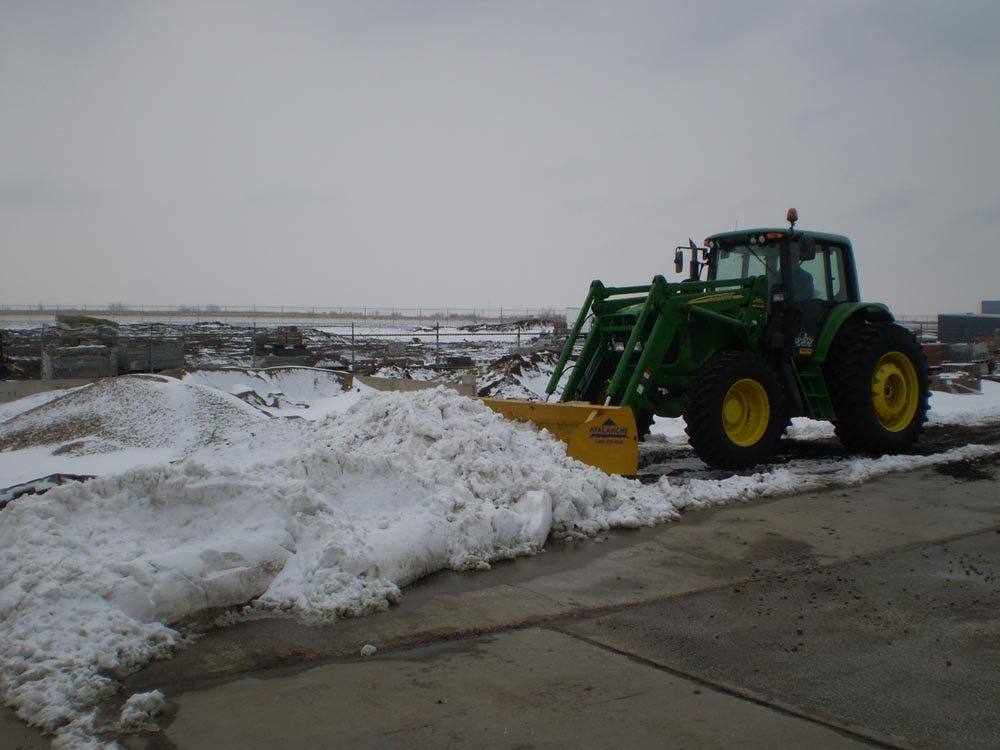
For a property manager, the first real snowstorm of the year is not the time to figure out who is plowing the lot. In Central Illinois, winter weather can swing from a dusting to a heavy, wet snow to a sheet of freezing rain in the same week. Tenants, customers and employees still expect clear drives, open parking stalls and safe walks by the time the doors open.
A clear, well-written commercial snow removal contract is what makes that happen. This guide walks through the parts of a contract that matter most: how pricing is structured, what triggers service, how sidewalks and de-icing are handled, and why fall is the right time to get it all settled.
Why a Written Contract Matters
Handshake snow agreements tend to fall apart the first time expectations don't match. One side thought the trigger was one inch; the other thought it was two. One side assumed sidewalks were included; the other priced only the lot. A written contract settles those questions before anyone is standing in a snowy parking lot.
A good contract should answer, in plain language:
- Which areas are serviced (drive lanes, parking stalls, loading docks, fire lanes, sidewalks, entrances, ramps)
- What snowfall depth starts service
- When service happens and in what order areas are cleared
- Whether de-icing is included, and when it is applied
- Where plowed snow is stacked
- How pricing works and how you are billed
- How you reach the contractor during a storm
Per-Push vs. Seasonal Contracts
Most commercial snow contracts fall into one of two pricing models. Neither is "right" for every property; the best choice depends on how your organization budgets and how much you value predictability.
| Contract Type | How It Works | Good Fit For |
|---|---|---|
| Per-Push (Per-Visit) | You are billed each time the crew plows or treats the property. | Owners who want to pay only for snow that actually falls and can handle variable monthly bills. |
| Seasonal | One set price covers the season, usually split into monthly payments. | Managers who need a fixed, predictable winter budget for the year. |
| Hybrid | A seasonal base covers plowing, with de-icing or extra services billed per visit. | Properties that want budget stability but have heavy salt or sidewalk needs. |
For reference, F&W's typical commercial pricing is about $50 to $200 per visit, while seasonal contracts commonly run about $2,000 to $10,000 depending on lot size. Your actual price depends on square footage, layout, islands and curbs, sidewalk length and how much de-icing the property needs, which is why a site visit and free quote is the place to start.
Questions to Ask About Pricing
- What exactly counts as one "push" or visit?
- Is de-icing priced per application, per bag or ton, or included?
- Are sidewalks priced separately from the lot?
- For seasonal contracts, is there a cap on the number of events?
- How are back-to-back storms or multi-day events handled?
Understanding Snow Triggers
The trigger is the snowfall depth that starts service. It is one of the most important lines in the contract, and one of the most commonly misunderstood.
Lower triggers mean more visits and cleaner pavement, but also more cost on a per-push contract. Higher triggers save money but leave a thin layer that can pack down and freeze. Many commercial properties choose a lower trigger for walks and entrances than for the parking lot, since foot traffic is where slips happen.
Make sure your contract also covers:
- Ice events: Freezing rain may bring no measurable snow at all, but your lot still needs treatment. Confirm that de-icing can be triggered by ice, not just snow depth.
- Drifting: Open lots on the edge of town can drift long after the snow stops. Decide whether return trips for drifting are included.
- Refreeze: Central Illinois freeze-thaw cycles mean meltwater often refreezes overnight. Ask how follow-up salting is handled.
Sidewalks, Entrances and De-Icing
Parking lots get the attention, but sidewalks, entrances, ramps and steps are where people actually walk. They deserve their own section in the contract.
Sidewalks and Entrances
List every walk that needs service, ideally on a simple site map. Note accessible ramps, building entrances, emergency exits and any public sidewalk along the street. Sidewalk rules vary by community, so check your city's rules for clearing public walks that border your property.
Salt and De-Icing
De-icing is where many contracts get vague. Clarify:
- Which de-icing products will be used near entrances, plantings and concrete
- Whether salt is applied after every plow visit or only when conditions call for it
- Whether pre-treatment before a storm is offered
- How salt use near landscape beds and lawn edges is minimized
Salt is effective, but heavy use along curbs and walks can burn turf and stress shrubs over time. If your property has entry plantings or lawn islands, ask your contractor how they balance safety with protecting the landscape. Come spring, salt-damaged edges are a common reason for spring clean-up and repair work.
Liability-Minded Scheduling
Every property manager wants to reduce the risk of slips and falls. You can't control the weather, but you can control how clearly service expectations are written down and followed.
- Set priorities: Decide which areas are cleared first, such as main entrances, accessible parking, fire lanes and walks, before general stalls.
- Match service to your hours: A medical office, a retail center and an apartment community all have different peak times. Tell your contractor when the property needs to be open and safe.
- Ask for service records: Ask what kind of visit records your contractor keeps, such as dates, times and services performed. Good records help everyone if questions come up later.
- Communicate in storms: Know who to call, and have a plan for reporting problem spots like a refrozen walk or a blocked dumpster pad.
Talk with your own insurance provider and legal advisor about how your contract should handle liability. Your snow contractor can explain the service plan, but those decisions belong with your property's advisors.
Planning Snow Storage
Where the snow goes matters as much as how it is moved. Poorly placed piles can block sight lines, cover parking, bury drains and melt across walks where the water refreezes.
- Mark storage areas on a site map before the season
- Keep piles away from entrances, ramps and storm drains
- Avoid piling on top of shrubs, young trees and landscape beds
- Plan for melt so water drains away from walks rather than across them
Why Fall Is the Time to Set Up Your Contract
The best snow contracts are signed while the leaves are still coming down. Setting up in fall gives you time to:
- Walk the site together. Point out curbs, islands, drains, ramps, low spots and anything that could be damaged by a plow.
- Mark the property. Stakes along curbs, islands and beds help crews see edges once everything is white.
- Compare proposals. Review per-push and seasonal options side by side.
- Coordinate with grounds care. If the same company handles your grounds maintenance, the crew already knows the property well.
- Finish fall work first. Late-season leaf clean-up and bed prep make the transition to winter service smoother.
For properties that want one partner year-round, F&W's commercial services cover everything from mowing and landscape care in the growing season to snow and ice in winter. You can also read our winter lawn care tips for protecting turf through the cold months.
Serving Commercial Properties Across Central Illinois
F&W Lawn Care & Landscaping has been family-owned since 1989 and works with properties throughout Bloomington-Normal, Peoria, Champaign-Urbana, Pekin, East Peoria, Washington, Morton, Dunlap and Metamora. Whether you manage a single office building, a retail strip or an apartment community, we'll help you build a contract that fits your property.
Frequently Asked Questions
When should I sign a commercial snow removal contract?
Fall is the best time. Signing in September, October or early November gives you time to compare proposals, walk the site with your contractor, mark curbs and islands, and confirm the plan before the first storm. Once snow is falling, schedules are usually full.
Is a per-push or seasonal contract better for a commercial lot?
It depends on your budget priorities. Per-push pricing means you pay only when it snows, so costs rise and fall with the winter. A seasonal contract gives you one predictable figure for the year, which many property managers prefer for budgeting. Ask for both and compare them against a typical Central Illinois winter.
What is a snow trigger in a contract?
A trigger is the snowfall depth that starts service, often written in inches. Your contract should clearly state the trigger for plowing, whether sidewalks and de-icing have separate triggers, and what happens with ice events that bring little or no snow.
Does commercial snow removal include sidewalks and salt?
Only if the contract says so. Sidewalks, entrances, ramps and de-icing are often priced as separate line items. Spell out exactly which walks are included, who handles them, and whether salt is applied after every visit or only as needed.
How much does commercial snow removal cost in Central Illinois?
F&W's typical commercial range is about $50 to $200 per visit, and seasonal contracts commonly run about $2,000 to $10,000 depending on lot size. The best way to know your number is a free site visit and quote.
Get a Free Quote
Ready to lock in your snow plan before the first flakes fly? Request a Free Quote online or call F&W at (309) 664-2666. We'll walk your property, talk through per-push and seasonal options, and put it all in writing.
Rather have a pro handle it? F&W has provided snow removal for Bloomington-Normal, Peoria, and Champaign-Urbana, Illinois properties since 1989. Call (309) 664-2666 or request a free quote.