
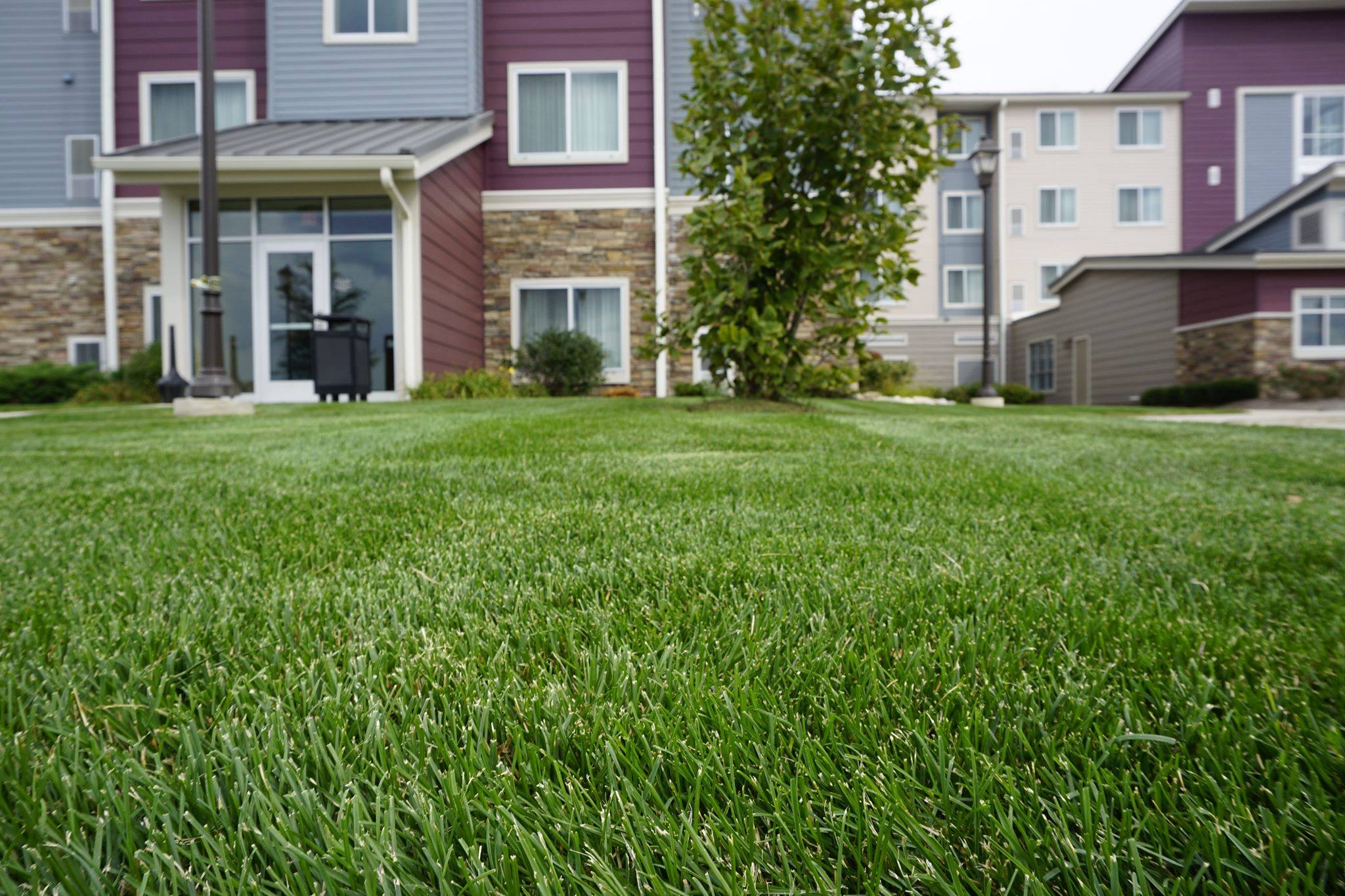
Spring is a time of renewal and growth, making it the perfect season to give your lawn the attention it deserves. Proper mowing at the right time can transform your yard into a lush, green oasis that becomes the envy of the neighborhood.
Whether you’re a seasoned gardener or a first-time homeowner, understanding the best practices for spring lawn mowing is essential for maintaining a healthy and vibrant lawn throughout the year. In this guide, we’ll walk you through everything you need to know about mowing your lawn in spring, ensuring your yard stays beautiful and well-maintained.
Why Timing Matters for Spring Mowing
Mowing your lawn at the right time in spring is crucial for several reasons:
- Promotes Healthy Growth: Regular mowing encourages grass to grow thicker and stronger, helping it resist weeds and pests.
- Prevents Disease: Proper mowing practices reduce the risk of fungal diseases by allowing better air circulation and sunlight penetration.
- Enhances Appearance: A well-timed mow keeps your lawn looking neat and uniform, enhancing your home’s curb appeal.
- Optimizes Fertilization: Mowing before fertilizing ensures that nutrients are absorbed efficiently, promoting greener grass.
Understanding the optimal time to mow your lawn in spring sets the foundation for these benefits, ensuring your yard remains healthy and attractive throughout the growing season.
When Is the Best Time to Start Mowing in Spring?
Determining the right time to start mowing involves observing your lawn’s growth and weather conditions. Here are some key indicators to help you decide:
Grass Growth
- Active Growth: Wait until the grass begins to grow consistently, usually when daytime temperatures consistently stay above 50°F (10°C). This typically happens in early to mid-spring, depending on your location.
- Mowing Height: Allow the grass to reach about 3 inches in height before the first mow. Cutting it too short can stress the grass and inhibit healthy growth.
Soil Conditions
- Dry Soil: Ensure the soil is dry before mowing. Wet or soggy soil can lead to uneven cuts and stress the grass.
- Dormant Zones: In regions with cool-season grasses, avoid mowing too early when parts of your lawn may still be dormant.
Climate Considerations
- Regional Differences: The exact timing can vary based on your local climate. Warmer regions may start mowing earlier in the spring, while cooler areas might need to wait a bit longer.
- Frost Dates: Be mindful of the last frost date in your area. Mowing too early while frost is still possible can damage new grass growth.
Signs Your Lawn is Ready to Mow
Before you reach for the mower, look for these signs that indicate your lawn is ready for its first spring mow:
- Consistent Growth: Grass that grows steadily week after week signals readiness.
- Uniform Height: When most of the grass reaches around 3 inches, it’s time to mow.
- No Frost Residue: Ensure there is no lingering frost or ice on the lawn.
- Healthy Color: A vibrant green color often indicates that the grass is thriving and ready for mowing.
Recognizing these signs ensures that you mow at the optimal time, setting the stage for a healthy and beautiful lawn.
Preparing Your Lawn for Spring Mowing
Proper preparation is key to effective mowing and overall lawn health. Here’s how to get your lawn ready:
Clear Debris
- Remove Leaves and Branches: Clear away any fallen leaves, twigs, or branches that could clog your mower or damage the grass.
- Check for Weeds: Remove weeds by hand or with appropriate tools to prevent them from taking over your lawn.
Inspect Your Mower
- Clean the Blades: Ensure mower blades are clean and free of debris to make clean cuts.
- Sharpen Blades: Sharp blades reduce tearing and minimize damage to the grass, promoting faster healing and healthier growth.
- Check Fuel and Oil: Make sure your mower has fresh fuel and the right oil level for optimal performance.
Assess Lawn Health
- Identify Problem Areas: Look for bare spots, pests, or signs of disease. Addressing these issues before mowing can prevent further damage.
- Aerate if Necessary: Aerating the lawn can improve soil health and promote better grass growth.
Taking these preparatory steps ensures that your mowing process is smooth and beneficial for your lawn’s overall health.
Common Mistakes to Avoid When Mowing in Spring
Even with the best intentions, certain mistakes can hinder your lawn’s health. Here are common pitfalls to watch out for:
- Mowing Too Early: Starting to mow before the grass is ready can stunt growth and cause stress.
- Cutting Too Short: Removing more than one-third of the grass height can damage the lawn and make it susceptible to weeds.
- Using Dull Blades: Dull mower blades tear the grass instead of cutting it cleanly, leading to a rough appearance and increased disease risk.
- Ignoring Lawn Health Issues: Failing to address pest infestations or diseases before mowing can exacerbate problems.
- Mowing When Wet: Mowing wet grass can lead to clumping and uneven cuts, harming the lawn.
Avoiding these mistakes ensures that your mowing efforts contribute positively to your lawn’s health and appearance.
Tools and Equipment for Effective Mowing
Having the right tools can make mowing easier and more effective. Here’s what you need:
Mowers
- Push Mowers: Ideal for small to medium-sized lawns, offering control and simplicity.
- Self-Propelled Mowers: Great for larger lawns, providing ease of movement and less physical exertion.
- Lawn Tractors: Best for very large or uneven lawns, offering power and versatility.
Maintenance Tools
- Blade Sharpener: Keeps mower blades in optimal condition for clean cuts.
- Spare Blades: Having spare blades on hand ensures you can maintain your mower without delays.
- Fuel Stabilizer: Helps keep fuel fresh and prevents degradation, especially if you store your mower for the off-season.
Additional Equipment
- Mulching Kit: Allows the mower to finely chop grass clippings, returning nutrients to the soil.
- Rakes and Leaf Blowers: Useful for clearing debris before and after mowing.
Investing in quality tools and maintaining them properly can significantly enhance your mowing experience and the health of your lawn.
When to Call Professionals
While many lawn care tasks can be handled by homeowners, there are situations where professional assistance can be beneficial:
Severe Lawn Damage
- Extensive Weeds or Pests: Professionals can effectively manage severe infestations that are difficult to control on your own.
- Disease Outbreaks: Experts can identify and treat lawn diseases, preventing further spread and damage.
Large or Complex Yards
- Time Constraints: If you lack the time to maintain a large or intricate lawn, hiring professionals can ensure consistent care.
- Specialized Equipment: Professional landscapers have access to tools and equipment that may not be practical for homeowners to own.
Customized Lawn Care
- Tailored Solutions: Professionals can provide customized lawn care plans based on your specific soil, grass type, and climate.
- Expert Advice: Gain valuable insights and recommendations from experienced landscapers to optimize your lawn’s health.
Emergency Services
- Storm Damage: After severe weather events, professionals can help restore your lawn by repairing damage and preventing erosion.
- Seasonal Transitions: Experts can assist with transitioning your lawn care practices as seasons change, ensuring year-round health.
Don’t hesitate to seek professional help when needed. Their expertise can save you time, effort, and potentially costly mistakes, ensuring your lawn remains beautiful and healthy.
Conclusion
Spring is a pivotal season for lawn care, setting the tone for the months ahead. By understanding the best time to mow, employing proper mowing techniques, and incorporating additional care practices, you can cultivate a vibrant and resilient lawn.
Remember to avoid common mistakes, use the right tools, and consider professional assistance when necessary. With these essential guidelines, your lawn will not only look fantastic but also thrive throughout the spring and beyond.
Ready to Transform Your Lawn?
Don’t wait to give your lawn the care it deserves this spring. Contact our team of lawn care experts today to schedule a consultation and discover how we can help you achieve a lush, green, and well-maintained yard. Whether you need regular mowing services, specialized treatments, or comprehensive lawn care plans, we’re here to support you every step of the way.
Let us help you make your lawn the best it can be this spring!
Rather have a pro handle it? F&W has provided lawn mowing for Bloomington-Normal, Peoria, and Champaign-Urbana, Illinois properties since 1989. Call (309) 664-2666 or request a free quote.