
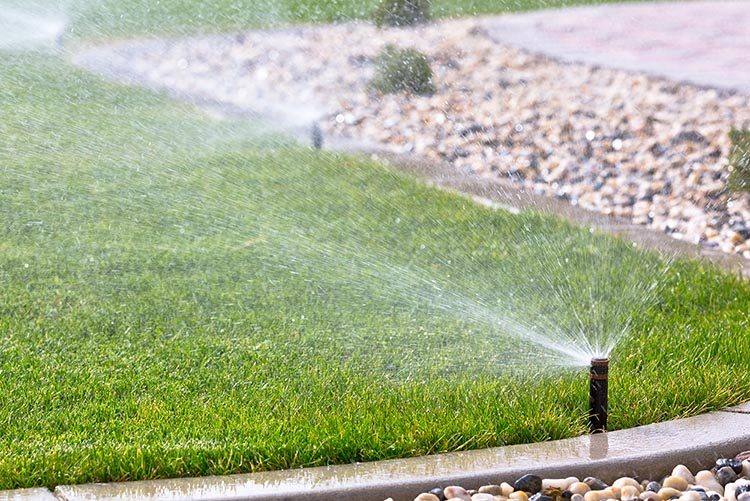
Spring is the perfect time to breathe new life into your yard, ensuring that your plants flourish throughout the growing season. One of the most effective ways to achieve this is by properly starting your irrigation system. Whether you’re a seasoned gardener or a green-thumbed novice, our step-by-step guide will help you kickstart your irrigation system with ease, ensuring your yard thrives all season long.
Why Starting Your Irrigation System in Spring Matters
As the weather warms up and plants begin to grow, consistent watering becomes crucial. An efficient irrigation system not only saves time but also conserves water, ensuring that your yard receives the optimal amount of moisture. Starting your irrigation system in spring sets the foundation for a healthy, vibrant landscape, minimizing the risk of water-related issues such as overwatering or underwatering.
Step 1: Assess Your Current Irrigation System
Before you dive into starting your irrigation system, take a moment to assess its current condition. Understanding the existing setup will help you identify any necessary repairs or upgrades.
What to Look For:
- Components: Check all parts of the system, including pipes, sprinklers, valves, and timers.
- Wear and Tear: Look for signs of damage, such as cracked pipes or worn-out sprinkler heads.
- Coverage Areas: Ensure that all areas of your yard are adequately covered by the sprinklers.
Pro Tip: Take note of any issues that need immediate attention, such as leaks or malfunctioning timers, and plan to address them before proceeding.
Step 2: Inspect and Clean All Components
A thorough inspection ensures that your irrigation system operates smoothly and efficiently.
Inspection Checklist:
- Sprinklers: Remove any debris or dirt that might clog the sprinkler heads.
- Pipes: Check for leaks or cracks. Even a small leak can waste a significant amount of water over time.
- Valves: Ensure that all valves open and close properly.
- Timers: Verify that your timer settings are correct and that the device is functioning as expected.
Cleaning Tips:
- Sprinkler Heads: Use a soft brush to gently clean the sprinkler heads, removing any buildup.
- Pipes and Valves: Flush the system to clear out any sediment or debris that may have accumulated during the off-season.
Step 3: Check the Water Source and Supply
Ensuring a reliable water source is vital for the successful operation of your irrigation system.
Steps to Take:
- Water Pressure: Test your water pressure to ensure it meets the requirements of your irrigation system.
- Water Supply Lines: Inspect hoses and supply lines for any signs of damage or leaks.
- Backflow Prevention: Confirm that your backflow prevention device is in place and functioning correctly to prevent contamination of your water supply.
Tip: Contact your local water provider if you experience any issues with water pressure or supply.
Step 4: Winterize Your Irrigation System (If Applicable)
If your region experiences freezing temperatures, it’s essential to ensure that your irrigation system is properly winterized to prevent damage.
Winterization Steps:
- Drain the System: Remove all water from the pipes, sprinklers, and valves.
- Insulate Exposed Components: Use insulation covers for any exposed parts to protect them from frost.
- Shut Off Water Supply: Ensure that the main water supply to the irrigation system is turned off.
Note: If you haven’t already winterized your system, now is the time to do so to avoid future issues.
Step 5: Reinstall or Upgrade Components
If you discovered any damaged or outdated components during your inspection, now is the time to replace or upgrade them.
Considerations:
- Energy-Efficient Sprinklers: Upgrading to more efficient sprinkler heads can reduce water consumption without sacrificing coverage.
- Smart Timers: Invest in smart timers that allow for remote control and more precise scheduling.
- Pipe Upgrades: Replacing old or leaking pipes ensures a reliable water supply and minimizes maintenance needs.
Step 6: Program Your Irrigation Timer
An irrigation timer automates your watering schedule, ensuring your yard receives consistent moisture without manual intervention.
Programming Tips:
- Set Appropriate Zones: Divide your yard into zones based on plant type and sunlight exposure.
- Determine Watering Frequency: Typically, early morning is the best time to water to reduce evaporation.
- Adjust Duration: Set each zone to run long enough to thoroughly soak the soil but not so long that it causes runoff.
Example Schedule:
- Zone 1 (Shade Plants): 6:00 AM for 20 minutes
- Zone 2 (Sun-Loving Plants): 6:25 AM for 30 minutes
- Zone 3 (Lawns): 6:55 AM for 25 minutes
Step 7: Start the Irrigation System and Test
With everything in place, it’s time to start your irrigation system and ensure everything is functioning correctly.
Testing Steps:
- Manual Run: Start each zone manually to observe the sprinkler coverage and flow rate.
- Check for Leaks: Look for any leaks or areas where water isn’t reaching as intended.
- Adjust Sprinkler Heads: Fine-tune the direction and range of each sprinkler to ensure optimal coverage.
Tip: Make adjustments as needed based on the results of your manual tests to achieve even and efficient watering across your yard.
Step 8: Monitor and Adjust Throughout the Season
Starting your irrigation system is just the beginning. Regular monitoring and adjustments are essential to maintain optimal performance.
Ongoing Maintenance:
- Seasonal Adjustments: Modify your watering schedule based on seasonal changes and weather conditions.
- Regular Inspections: Periodically check for leaks, clogs, or any other issues that may arise.
- System Upgrades: Stay informed about new irrigation technologies that can enhance efficiency and ease of use.
Pro Tip: Use local weather data to adjust your irrigation schedule, reducing water usage during rainy periods and increasing it during dry spells.
Additional Tips for Optimizing Your Irrigation System
To get the most out of your irrigation system, consider these additional strategies:
1. Implement Drip Irrigation for Specific Plants
Drip irrigation delivers water directly to the plant roots, reducing evaporation and ensuring precise watering for plants that require specific moisture levels.
2. Use Mulch to Retain Soil Moisture
Applying mulch around your plants helps maintain soil moisture, reducing the overall water demand of your irrigation system.
3. Plant Drought-Resistant Varieties
Incorporating drought-resistant plants into your garden design can decrease your reliance on intensive irrigation, promoting sustainability.
4. Incorporate Rain Barrels
Collecting rainwater can supplement your irrigation system, reducing your dependency on municipal water sources and conserving natural resources.
Benefits of a Well-Maintained Irrigation System
Investing time in starting and maintaining your irrigation system offers numerous benefits:
- Water Conservation: Efficient watering reduces water waste, benefiting both your yard and the environment.
- Time Savings: Automated systems free up your time, allowing you to focus on other gardening tasks.
- Healthier Plants: Consistent moisture levels promote healthier, more resilient plants.
- Increased Property Value: A well-irrigated yard can enhance the aesthetic appeal of your property, potentially increasing its market value.
When to Call the Professionals
While many irrigation tasks can be handled independently, certain situations may require professional assistance:
- Complex Repairs: If your system has extensive damage or complex issues, a professional can ensure it’s fixed correctly.
- System Upgrades: Professionals can recommend and install advanced components that enhance system efficiency.
- System Design: For new installations or significant redesigns, expert design ensures optimal coverage and performance.
Frequently Asked Questions (FAQs)
1. How Often Should I Water My Garden with an Irrigation System?
Watering frequency depends on various factors, including plant type, soil conditions, and weather. Generally, early morning is the best time to water, and most yards benefit from watering 2-3 times per week. Adjust based on specific needs and seasonal changes.
2. Can I Install an Irrigation System Myself?
While it’s possible to install a basic irrigation system on your own, complex systems or large yards may require professional expertise to ensure optimal performance and efficiency.
3. What Are the Signs That My Irrigation System Needs Maintenance?
Common signs include uneven watering, damp spots where they shouldn’t be, increased water bills, and visible leaks or damage in the system components.
4. How Can I Make My Irrigation System More Eco-Friendly?
Implementing rain barrels, using drip irrigation, installing smart timers, and selecting drought-resistant plants are effective ways to make your irrigation system more sustainable.
5. What Should I Do if My Sprinkler Heads Are Not Rotating Properly?
Non-rotating sprinkler heads may be clogged with debris or mechanically malfunctioning. Clean the heads thoroughly and check for any mechanical issues. If the problem persists, consider replacing the sprinkler heads
Conclusion
Starting your irrigation system in spring is a pivotal step in ensuring a lush, thriving landscape throughout the season. By following our comprehensive, step-by-step guide, you can efficiently set up your system, address any issues, and maintain optimal performance. Remember, a well-maintained irrigation system not only saves you time and water but also fosters a beautiful and healthy landscape that you can enjoy year-round.
Ready to Get Started?
If you’re looking for professional assistance with your irrigation system, our team of experts is here to help. Whether you need a new installation, repairs, or maintenance services, we’ve got you covered.
Contact us today to schedule a consultation and take the first step toward a flourishing landscape this spring!
Rather have a pro handle it? F&W has provided irrigation systems for Bloomington-Normal, Peoria, and Champaign-Urbana, Illinois properties since 1989. Call (309) 664-2666 or request a free quote.