
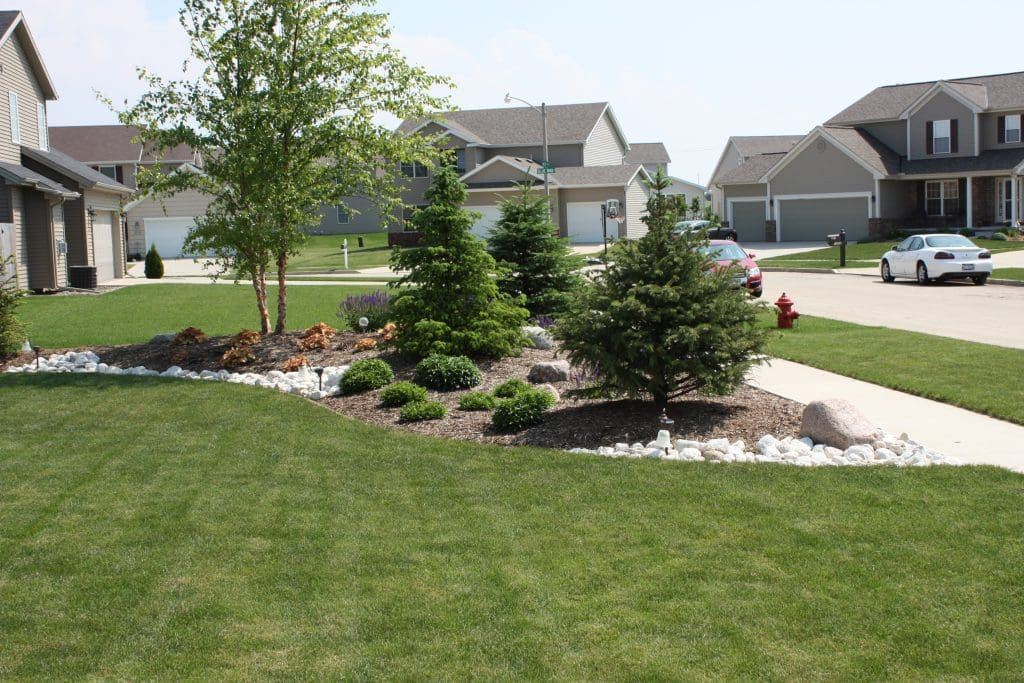
Maintaining a lush, green lawn is a source of pride for many Bloomington homeowners. However, achieving and sustaining a vibrant lawn requires consistent care throughout the year. Bloomington’s unique climate presents specific challenges and opportunities for lawn care, making it essential to adopt season-specific strategies.
This comprehensive guide provides you with the knowledge and tools needed to nurture your lawn through every season, ensuring it remains healthy and beautiful all year long.
Why Year-Round Lawn Care is Essential in Bloomington, Illinois
Bloomington, Illinois experiences a diverse range of weather conditions, from hot, humid summers to cold, snowy winters. Each season brings its own set of challenges that can impact the health and appearance of your lawn. Implementing a year-round lawn care plan helps:
- Promote Healthy Growth: Ensuring your lawn receives the right nutrients and care during each season supports robust root development and vibrant growth.
- Prevent Pests and Diseases: Regular maintenance reduces the risk of infestations and diseases that can damage your grass.
- Enhance Curb Appeal: A well-maintained lawn boosts the overall aesthetic of your home, increasing property value and providing a welcoming outdoor space.
By following a structured lawn care regimen tailored to Bloomington’s climate, you can enjoy a thriving lawn regardless of the season.
Spring Lawn Care: Preparing for Growth
Spring is a pivotal time for lawn care in Bloomington. As temperatures rise and days lengthen, your lawn transitions from winter dormancy to active growth. Here’s how to set the foundation for a thriving lawn this spring:
1. Soil Preparation
Healthy soil is the cornerstone of a robust lawn. Begin by:
- Testing Soil pH: Bloomington soils typically range from slightly acidic to neutral. Use a soil testing kit to determine your soil’s pH levels and amend accordingly.
- Aerating the Lawn: Aeration improves soil structure, allowing better air, water, and nutrient penetration. Consider core aeration to relieve soil compaction.
- Removing Debris: Clear your lawn of any fallen leaves, sticks, or other debris to prevent hindering new growth.
2. Fertilizing
Spring fertilization provides essential nutrients to your grass, promoting healthy growth and resilience.
- Choose the Right Fertilizer: Opt for a balanced fertilizer rich in nitrogen to encourage lush green growth.
- Application Timing: Apply fertilizer after the lawn has emerged from dormancy and actively starts growing.
- Proper Distribution: Follow manufacturer instructions for even application to avoid over-fertilization, which can damage the grass.
3. Seeding or Laying Sod
If your lawn has bare spots or needs overseeding, spring is an ideal time to introduce new grass.
- Seeding: Select a grass seed variety suited to Bloomington’s climate, such as Kentucky bluegrass or tall fescue.
- Sodding: For instant results, consider laying sod. Ensure proper soil preparation and consistent watering for successful establishment.
Summer Lawn Care: Maintaining Green and Resilient Grass
Summer in Bloomington can be challenging with high temperatures and periods of drought. Effective summer lawn care focuses on maintaining greenery and preventing stress.
1. Watering Schedule
Proper watering is critical during the scorching summer months.
- Deep and Infrequent Watering: Encourage deep root growth by watering deeply (about 1 inch per week) rather than frequent shallow watering.
- Early Morning Irrigation: Watering in the early morning reduces evaporation and allows grass blades to dry before evening, minimizing disease risk.
- Avoid Overwatering: Excessive moisture can lead to shallow roots and increased susceptibility to pests and diseases.
2. Mowing Practices
Adjust your mowing habits to support lawn health during summer.
- Mow at the Right Height: Raise the mower blade to leave grass taller (around 3 inches). Taller grass shades the soil, reducing evaporation and preventing weed growth.
- Sharp Blades: Ensure mower blades are sharp to make clean cuts, reducing stress on the grass.
- Regular Mowing: Maintain a consistent mowing schedule, cutting no more than one-third of the grass height at a time.
3. Pest Control
Summer is prime time for lawn pests that can damage your grass.
- Identify Common Pests: Watch for signs of grubs, chinch bugs, and other insects.
- Integrated Pest Management: Use a combination of biological, cultural, and chemical controls to manage pests effectively.
- Preventive Measures: Maintain proper lawn care practices to reduce pest attraction and buildup.
Fall Lawn Care: Strengthening for Winter
Fall is a critical period for lawn care, allowing your grass to recover from summer stress and prepare for the winter months.
1. Aeration
Aerating in the fall helps alleviate soil compaction and promotes root growth.
- Core Aeration: Remove small cores of soil to enhance nutrient and water absorption.
- Optimal Timing: Aerate when grass is actively growing, typically in early to mid-fall.
2. Overseeding
Fall is an excellent time to overseed your lawn, filling in bare spots and increasing grass density.
- Seed Selection: Choose cool-season grass seeds that thrive in Bloomington’s autumn conditions.
- Proper Seeding: Spread seeds evenly and lightly rake them into the soil. Follow with a thin layer of mulch to retain moisture.
3. Leaf Removal
Removing fallen leaves prevents them from suffocating the grass and harboring pests.
- Regular Raking: Keep your lawn free of leaves, especially during heavy fall foliage periods.
- Mulching Mowers: Alternatively, use a mulching mower to chop leaves into fine pieces that can decompose and enrich the soil.
Winter Lawn Care: Protecting Your Lawn During Dormancy
Winter care is essential to ensure your lawn survives the cold months and emerges healthy in the spring.
1. Minimizing Foot Traffic
Protecting your lawn from excessive use during winter prevents damage to dormant grass.
- Restrict Activities: Avoid heavy use of pathways and lawn areas to prevent soil compaction and turf damage.
- Use Walkways: Create designated walkways with mulch or gravel to protect high-traffic areas.
2. Snow Removal Strategies
Proper snow management ensures your lawn remains undamaged throughout the winter.
- Gentle Snow Plowing: When clearing snow, use a snow blower set to a gentle setting to minimize turf displacement.
- Avoid Salt Damage: Use alternative de-icing agents that are less harmful to grass.
3. Planning for Next Year
Winter is a great time to plan and prepare for the upcoming lawn care season.
- Review Lawn Performance: Assess what worked and what didn’t in the past year to improve your lawn care strategy.
- Order Supplies: Stock up on seeds, fertilizers, and other necessary supplies for spring.
Choosing the Right Grass for Bloomington’s Climate
Selecting the appropriate grass type is fundamental to achieving a resilient lawn in Bloomington’s climate.
1. Climate Considerations
Bloomington experiences a humid continental climate with distinct seasons, influencing grass growth patterns.
- Cold Tolerance: Choose grasses that can withstand freezing temperatures.
- Heat Resistance: Opt for varieties that remain green and healthy during summer heat waves.
2. Best Grass Types for Bloomington
The following grass types thrive in Bloomington’s environment:
- Kentucky Bluegrass: Known for its rich color and fine texture, it establishes a dense, carpet-like lawn.
- Tall Fescue: Highly adaptable and tolerant of heat and drought, making it ideal for varied conditions.
- Perennial Ryegrass: Quick to establish and wear-resistant, suitable for high-traffic areas.
3. Maintenance Requirements
Each grass type has specific maintenance needs to ensure optimal growth and health.
- Watering: Adjust based on the grass type’s tolerance to drought and moisture.
- Mowing: Maintain appropriate height for each variety to promote strength and reduce disease risk.
- Fertilization: Tailor your fertilizer approach to meet the nutritional needs of your chosen grass.
Common Lawn Problems in Bloomington and Their Solutions
Even with diligent care, lawns can encounter various issues. Understanding common problems and their solutions helps you maintain a healthy lawn.
1. Weed Control
Weeds compete with grass for nutrients and water, detracting from your lawn’s appearance.
- Identification: Common weeds in Bloomington include dandelions, crabgrass, and clover.
- Control Methods:
- Prevention: Maintain dense grass coverage to shade out weeds.
- Herbicides: Use selective herbicides to target specific weeds without harming your grass.
2. Disease Prevention
Fungal diseases can damage your lawn, leading to brown patches and thinning grass.
- Common Diseases: Brown patch, dollar spot, and rust are prevalent in Bloomington.
- Prevention Strategies:
- Proper Watering: Avoid overwatering to reduce moisture that fosters disease.
- Aeration: Improve soil drainage and air circulation through regular aeration.
- Fertilization: Balanced fertilization supports strong, disease-resistant grass.
3. Thatch Buildup
Thatch, a layer of dead and living grass stems and roots, can prevent water and nutrients from reaching the soil.
- Symptoms: Excessive thatch leads to a spongy lawn surface and increased pest attraction.
- Solutions:
- Dethatching: Remove thatch through mechanical dethatching or using a power rake.
- Regular Maintenance: Prevent excessive thatch by avoiding over-fertilization and maintaining proper mowing heights.
Year-Round Lawn Maintenance Schedule
Staying organized with a monthly maintenance schedule ensures no aspect of your lawn care is overlooked.
Month | Tasks |
January | Plan next year’s lawn care strategy, order supplies |
February | Start preparing soil for spring, begin seed selection |
March | Aerate, fertilize, overseed as needed |
April | Apply pre-emergent weed control, continue seeding |
May | Begin regular mowing and watering routines |
June | Implement pest control measures, adjust watering |
July | Maintain mowing height, monitor for drought stress |
August | Continue watering deeply, prepare for fall aeration |
September | Aerate, overseed, apply fall fertilizer |
October | Remove leaves, finalize fall maintenance tasks |
November | Minimize lawn traffic, begin winter preparations |
December | Review lawn performance, finalize winter care plans |
Professional Lawn Care Services: Enhancing Your Lawn’s Health
While DIY lawn care is possible, professional services offer expertise and efficiency that can significantly benefit your lawn’s health and appearance.
1. Overview of Services
Professional lawn care companies provide a range of services tailored to Bloomington’s climate and your lawn’s specific needs, including:
- Fertilization and Weed Control: Customized treatments to nourish your grass and eliminate unwanted weeds.
- Aeration and Overseeding: Enhancing soil health and promoting thick, dense grass growth.
- Pest and Disease Management: Identifying and addressing issues promptly to prevent extensive damage.
- Lawn Renovation: Comprehensive services for renovating and restoring your lawn’s health.
2. Benefits of Hiring Professionals
Engaging professional lawn care services offers numerous advantages:
- Expertise: Knowledgeable in the best practices and latest techniques for lawn maintenance.
- Time Savings: Professionals handle time-consuming tasks, allowing you to enjoy your lawn without the hassle.
- Customized Care: Tailored solutions based on your lawn’s specific conditions and requirements.
- Consistent Results: Regular maintenance ensures a consistently healthy and attractive lawn.
Frequently Asked Questions About Lawn Care in Bloomington
How often should I water my lawn in Bloomington during summer?
During summer in Bloomington, water your lawn deeply (about 1 inch of water) once or twice per week rather than daily shallow watering. Early morning watering (between 5-10 AM) is ideal as it reduces evaporation and allows grass blades to dry before evening, minimizing disease risk.
What is the best mowing height for Bloomington lawns?
The optimal mowing height depends on your grass type, but generally keeping your grass at about 3 inches during summer provides shade to the soil and helps prevent weed growth. In spring and fall, you can lower this slightly to 2.5 inches. Never remove more than one-third of the grass blade in a single mowing session.
When is the best time to fertilize my lawn in Bloomington?
For Bloomington lawns, the primary fertilization times are early spring (March-April), early summer (May-June), and fall (September-October). Fall fertilization is particularly important as it strengthens root systems before winter dormancy.
How much does professional lawn care typically cost in Bloomington?
Professional lawn care service costs in Bloomington vary based on lawn size and selected services. Basic mowing services might range from $30-$50 per visit for average-sized lots, while comprehensive annual programs including fertilization, weed control, aeration, and pest management can range from $300-$1,000+ annually. Most companies offer free consultations and quotes.
How often should I have my soil tested?
For established lawns in Bloomington, soil testing every 3-5 years is usually sufficient. However, if you’re experiencing persistent lawn problems or are establishing a new lawn, annual testing is recommended. Soil tests typically cost $15-$30 and provide valuable information about pH levels and nutrient deficiencies specific to your property.
What professional lawn care services offer the best value for Bloomington homeowners?
Core aeration and overseeding typically offer the best value for improving lawn health in Bloomington’s clay-heavy soils. These services, performed annually in fall, provide significant long-term benefits including improved nutrient absorption, reduced compaction, enhanced root growth, and thicker turf that naturally resists weeds and pests.
Achieve a Vibrant Lawn Throughout the Year
Maintaining a beautiful lawn in Bloomington, Illinois, is achievable with the right knowledge and consistent care. By following this year-round guide, you can address the unique challenges each season presents and ensure your lawn remains healthy, resilient, and visually appealing throughout the year.
Whether you choose to manage your lawn care independently or enlist the help of professionals, a dedicated approach will reward you with a lush, green landscape that enhances your home’s curb appeal and provides a serene outdoor space for your family to enjoy.
By adhering to this guide, Bloomington homeowners can navigate the intricacies of seasonal lawn care with confidence and achieve a thriving, beautiful lawn all year long. Whether it’s prepping the soil in spring, battling summer pests, preparing for winter, or maintaining consistency through tailored monthly tasks, each step plays a vital role in the health and beauty of your lawn.
For personalized advice and expert services tailored to your specific lawn needs, don’t hesitate to reach out to our team of lawn care professionals. We’re here to help you achieve and maintain the lush, green lawn you’ve always desired.