
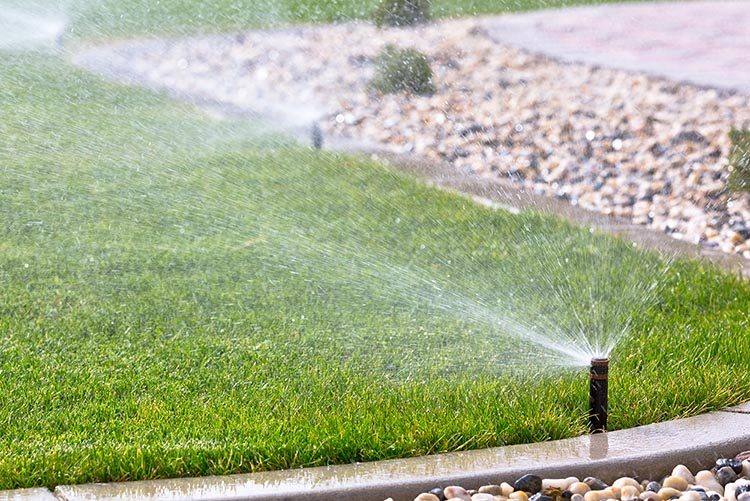
Spring is a time for renewal, not just for nature, but for your irrigation system as well. After a long winter, your irrigation system may be experiencing issues that can affect the overall performance of your yard’s watering needs. In this guide, we will discuss the common problems that arise with spring irrigation, the reasons behind these issues, and provide you with practical, easy-to-follow tips to get your irrigation system back to optimal performance. Whether you are a seasoned gardening enthusiast or a homeowner handling occasional maintenance, this service page is designed to help you understand and resolve these common irrigation challenges.
Understanding Your System’s Challenges After Winter
During the winter months, freezing temperatures, snow, and ice can take a toll on your irrigation system’s components. Pipes may crack from expansion, valves can stick, and debris might build up in lines and sprinkler heads. As temperatures begin to rise in the spring, these problems become more visible and can significantly impact the system’s performance. Recognizing these issues early can save you time, money, and the stress of a poorly irrigated landscape.
Common Irrigation Problems in Spring
Below are several common issues you might encounter with your irrigation system in the spring months:
- Clogs: Snow and ice can leave behind sediment and debris in pipes and sprinkler heads. Clogged emitters result in uneven water distribution and can cause some areas of your landscape to be overwatered while others remain dry.
- Leaks: Freezing temperatures can cause cracks or damage to pipes and components. These leaks not only waste water but can also lead to water damage in surrounding areas.
- Pressure Issues: Cold weather combined with debris buildup can cause changes in water pressure. High pressure may lead to inefficient watering, while low pressure might not provide enough water to meet the yard’s needs.
- Sprinkler Head Misalignment: The freeze-thaw cycle of winter can shift the positioning of sprinkler heads. Misaligned sprinkler heads often lead to uneven water distribution.
- Controller and Timer Malfunctions: Electrical components, including timers and controllers, may suffer from condensation or minor water damage during winter storms, leading to erratic behavior in the spring.
- Pipe Damage from Freeze-Thaw Cycles: When water trapped in the pipes freezes and thaws, it can cause small cracks or even breakages. This damage may not be immediately apparent until you notice a drop in system performance.
Detailed Troubleshooting and Quick Fixes
Now that you recognize the potential problems, it’s time to learn how you can troubleshoot and fix these issues. Below, we outline several quick fixes and guidance on how to restore your irrigation system to its proper functioning state:
1. Clearing Clogged Emitters and Lines
Debris can block the tiny openings in your sprinkler heads, leading to poor water distribution. Follow these tips to restore proper flow:
- Remove the sprinkler head: Carefully unscrew the affected sprinkler head to access the emitter. Inspect for visible clogs in the head and the internal components.
- Clean the components: Use a small brush or a gentle stream of water to remove debris. Soaking the component in a solution of water and a mild detergent can help break down stubborn residue.
- Flush the lines: Once the emitter is cleaned, flush the line with water to clear out any lodged debris. This can restore insufficient water pressure to the head.
By ensuring that your sprinkler heads are free of debris, you will likely see a marked improvement in even water distribution throughout your yard.
2. Repairing Leaks and Replacing Damaged Parts
Leaks in your irrigation system are not just an inconvenience – they may lead to water damage over time if left unchecked. Here are steps to detect and repair leaks:
- Inspect the system: Start by walking along the lines and checking joints, valves, and sprinkler heads for damp spots or signs of water pooling. Leaks are often most evident in areas where grass appears greener than surrounding areas due to an excessive water supply.
- Tighten connections: Sometimes, a simple solution such as tightening fittings or replacing a worn gasket can resolve the issue. Make sure that all connections are secure and free of corrosion.
- Replace damaged parts: For components that have been cracked or extensively damaged, it is best to replace them. Look for quality replacement parts that are designed specifically for your irrigation system model.
Regularly checking for leaks and promptly addressing them not only conserves water but also prevents further damage that can lead to more expensive repairs.
3. Managing Water Pressure Issues
A balanced water pressure is essential for consistent irrigation. Too much pressure can cause overspray, whereas too little pressure may not adequately cover your yard. Here’s how to get your water pressure back in check:
- Use a pressure gauge: Start by attaching a pressure gauge to one of your sprinkler outlets. This will give you a baseline reading of your system’s water pressure.
- Adjust pressure regulators: If your system is supplied with a pressure regulator, adjust it to the recommended pressure level specified by your irrigation system manufacturer.
- Check for obstructions: Sometimes, a reduction in water pressure can be caused by air locks or sediment buildup in the pipes. Flushing your system can help remove these obstructions.
Having the correct water pressure ensures that your irrigation system functions as expected, helping to evenly distribute water to all parts of your yard.
4. Realigning and Fine-Tuning Sprinkler Heads
Sprinkler heads are designed to cover a specific area, and if they are misaligned, portions of your yard may not receive the water they need. Follow these steps for a quick fix:
- Examine the pattern: Look at the pattern in which the water is distributed. If there are gaps or missed patches, it is time for a realignment.
- Adjust the sprinkler head: Depending on the model, you may need to twist the head or adjust a screw. Most sprinkler heads have an adjustable nozzle that allows you to control the direction of the water flow.
- Test and repeat: Once adjusted, run the system briefly to see if the changes have corrected the issue. If necessary, continue fine-tuning until you achieve a balanced distribution.
Realigning sprinkler heads not only improves coverage but also reduces water waste by ensuring that every drop reaches its intended area.
5. Dealing with Controller and Timer Issues
Electronic components are susceptible to issues during the cold and wet winter months. Ensuring that your controller and timer are working correctly is essential for automated irrigation:
- Reset the system: Sometimes, a simple reset can clear any glitches. Refer to your manual for the proper method to reset your irrigation controller.
- Check the batteries: For controllers that use battery backup, replacing the batteries can often resolve erratic behavior.
- Clean and dry connections: Moisture can cause corrosion and miscommunication in the system. Make sure that all electrical connections are clean, dry, and securely attached.
If you continue to experience issues with the controller, it may be time to consult a professional to ensure that the system is properly calibrated and functioning.
Preventative Maintenance Tips for Long-Term Success
Once you have addressed the immediate spring issues, taking preventative measures is the key to ensuring a trouble-free irrigation season. Consistent maintenance can extend the life of your system and reduce the likelihood of future repairs. Here are some tips for preventative care:
- Schedule regular system checks: Set aside time at the beginning and end of each season to inspect your irrigation system. A thorough inspection can help catch issues before they evolve into larger problems.
- Clean sprinkler heads regularly: Once a month, remove and clean the sprinkler heads to prevent debris buildup, which can lead to blockages.
- Monitor water pressure: Periodically check the water pressure and adjust your pressure regulators as necessary. This ensures that your system remains efficient throughout the season.
- Winterize in late fall: Proper winterization is crucial. Before the first frost, drain your irrigation lines, shut off the water supply, and cover exposed components. This proactive step minimizes damage and prevents costly repairs when spring arrives.
- Keep an eye on your timer: Ensure that the controller or timer you use is programmed correctly and update its settings to match seasonal watering needs. Incorrect timing can lead to either water wastage or insufficient watering.
Expert Advice and Customer Support
If you have followed these troubleshooting steps and your irrigation system still isn’t operating correctly, it might be time to reach out for professional help. Our team of experienced technicians is equipped with the knowledge and tools necessary to diagnose any deeper issues and offer long-lasting repairs.
We offer a free quotation to help you with troubleshooting further or scheduling a service appointment. We understand the urgency of a properly functioning irrigation system, especially as the growing season begins, and our goal is to restore efficiency as quickly as possible.
For more information on our service offerings or to schedule an appointment, please contact us today. We’re here to help!
How to Maintain Your Irrigation System Year-Round
Beyond the spring cleaning and restoration, effective year-round maintenance can make a tremendous difference in the performance of your irrigation system. Here are additional suggestions to keep your system running optimally throughout the year:
- Regular Inspections during Seasonal Changes: As seasons change, your irrigation system may face different challenges. Regular inspections in the spring, summer, and fall can help you catch and address any issues before they become major problems.
- Documentation and Record Keeping: Maintain records of any maintenance work, repairs, or replacements that are made. Documenting these activities helps you understand the lifecycle of your system’s components and plan for future maintenance.
- Educate Yourself with Updated Technology: As irrigation technology continues to evolve, it might be beneficial to consider upgrades that enhance efficiency. Many modern controllers offer smart features that allow for automatic adjustments based on weather changes.
- Seasonal Adjustments to Watering Schedule: Adjust your watering schedule to reflect current weather conditions. In warmer months, your system may need to work harder to keep your yard hydrated, whereas in cooler months, lower settings are usually sufficient.
Implementing these proactive measures can significantly extend the lifespan of your irrigation system, reduce overall water usage, and save you money on repairs in the future.
Frequently Asked Questions
We understand that maintaining an irrigation system can sometimes raise additional questions. Below are answers to some of the most frequently asked questions we receive:
How often should I inspect my irrigation system?
It is a good idea to inspect your system at least twice a year: once at the beginning of spring to ensure everything is working before the peak watering season, and again in the fall after the summer season has taken its toll on the system.
Can I perform all maintenance tasks myself?
While many minor issues, such as cleaning sprinkler heads and adjusting pressure settings, can be handled by a homeowner, more complex problems, especially those involving leaks or electrical components, might require professional assistance.
What role does water pressure play in system performance?
Water pressure is critical for even water distribution. Incorrect pressure levels can lead to overwatering in some areas and under-watering in others. Regular checks help maintain an optimally balanced system.
How do I know if my timer or controller is malfunctioning?
If you notice inconsistent watering schedules or if the system seems to run at irregular intervals, it could be an issue with your timer. Checking connections, resetting the controller, and replacing batteries are good first steps in resolving these issues.
Final Thoughts
Spring is the perfect time to ensure that your irrigation system is in its best shape after the harsh winter months. With a little attention and regular maintenance, you can avoid many of the common pitfalls that lead to inefficient watering and costly repairs. From cleaning clogged sprinkler heads to resolving leaks and maintaining the proper pressure, the key to success lies in understanding your system’s unique needs and addressing issues promptly.
Remember that while basic maintenance can be achieved on your own, professional guidance is always available if a problem seems too complex. Regular care, preventive measures, and prompt repairs will help your yard thrive even during the most challenging weather conditions.
Thank you for reading our guide on common spring irrigation problems and quick fixes. We hope that the tips provided empower you to manage your irrigation system effectively and help maximize the health and beauty of your outdoor spaces throughout the growing season.
Rather have a pro handle it? F&W has provided irrigation systems for Bloomington-Normal, Peoria, and Champaign-Urbana, Illinois properties since 1989. Call (309) 664-2666 or request a free quote.