
As winter’s chill begins to thaw and the first signs of spring emerge, your lawn is yearning for attention. Preparing your yard for the upcoming season doesn’t have to be a daunting task. With a few mindful steps, you can ensure your grass remains lush, healthy, and vibrant throughout the spring and beyond. Here’s a comprehensive guide to preparing your lawn for spring without the stress.
Assessing Your Lawn’s Current Condition
Before diving into spring preparations, it’s essential to understand the current state of your lawn. Winter can leave your grass looking tired and worn, making a thorough assessment the first step toward rejuvenation.
Key Assessment Tasks
- Inspect for Damage: Walk through your yard and look for any signs of damage, such as bare patches, dethatched areas, or signs of pests.
- Soil Health Check: Test your soil’s pH levels and nutrient content. Healthy soil is the foundation of a thriving lawn.
- Weed Identification: Identify any persistent weeds that need to be addressed to prevent them from overpowering your grass.
Clearing the Lawn of Winter Debris
As the days get longer and the temperatures start to rise, lawns across Illinois begin to wake up from their winter slumber. That’s why the first step is always the simplest: clear the space.
Effective Cleanup Steps
- Raking: Remove leaves, twigs, and other debris that have accumulated over the season.
- Snow Removal: Gently remove any heavy snow to prevent the grass from being weighed down and damaged.
- Lawn Sweeping: Use a lawn sweeper to capture finer particles that raked debris might miss.
Clearing out winter debris improves air circulation and sets the stage for healthy growth.
Dethatching and Aerating
If your soil feels hard or compacted, aeration can make a huge difference by allowing water and nutrients to reach the roots more effectively. Likewise, removing excess thatch helps your lawn breathe.
How to Dethatch and Aerate
- Dethatching: Use a dethatching rake or machine to remove the layer of dead grass and roots.
- Aeration: Rent or invest in an aerator to perforate the soil and reduce compaction.
Benefits
- Improved drainage
- Enhanced nutrient absorption
- Deeper root development
Soil Testing and Amendments
Understanding your soil’s composition is key for making smart lawn care decisions.
Soil Improvement Tips
- Conduct a Soil Test: Use a kit or hire a professional to check pH levels and nutrient content.
- Amend the Soil: Apply lime or sulfur based on test results. Add compost to enhance fertility.
Overseeding and Repairing Bare Spots
Spring is ideal for overseeding, especially after winter damage.
Steps to Overseeding
- Choose the Right Seed for your region and soil.
- Loosen Topsoil to help seeds settle.
- Spread Seeds Evenly and lightly rake them in.
- Cover with Mulch to retain moisture.
- Water Regularly until the new grass is established.
Fertilizing for Growth
A targeted spring fertilizer gives your lawn the boost it needs to grow thick, green, and strong.
Fertilization Tips
- Use a balanced, slow-release fertilizer early in spring before grass hits its growth spurt.
- Follow instructions carefully for even coverage and proper watering.
Key Nutrients
- Nitrogen: Promotes green growth
- Phosphorus: Supports root development
- Potassium: Builds resilience
Weed and Pest Control
Weeds pop up quickly once spring arrives, especially in central Illinois.
Preventive Care
- Pre-Emergent Weed Control is key—stop weeds before they even sprout.
- Natural Alternatives like corn gluten meal can work as organic options.
- Pest Monitoring: Check regularly for signs of grub or insect activity.
Watering Practices for a Healthy Lawn
If you’ve got an irrigation system, early spring is the time to check for leaks, test zones, and ensure even water coverage.
Smart Watering Tips
- Water Deeply, Infrequently: Aim for about 1 inch of water per week.
- Early Morning Watering: Helps reduce evaporation and fungal issues.
- Monitor Moisture Levels with a moisture meter or simple finger test.
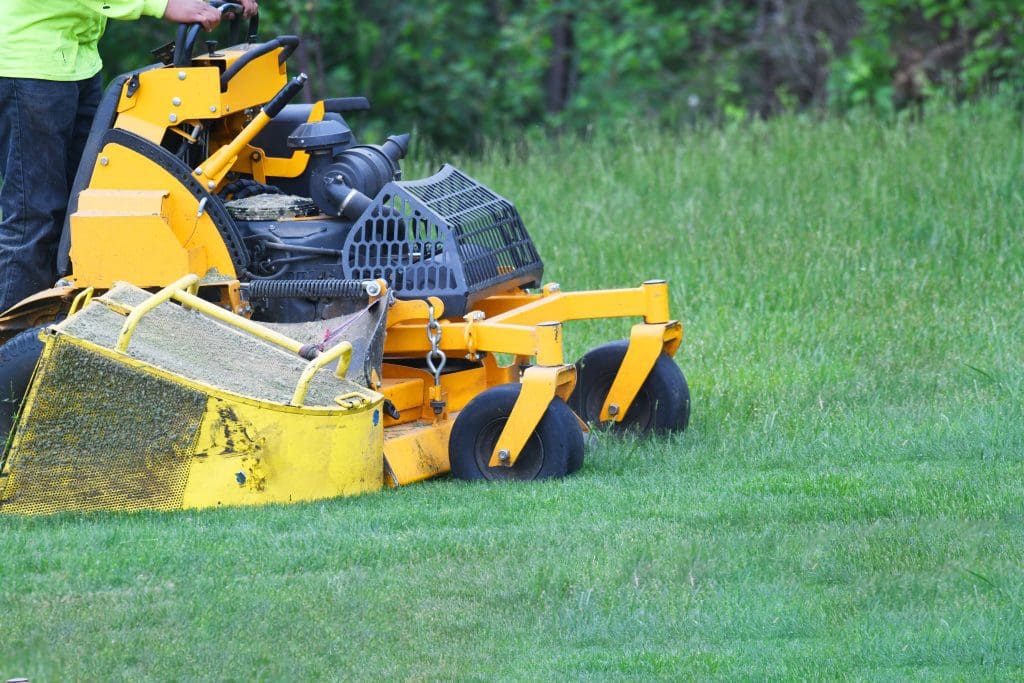
Mowing Your Lawn Correctly
As your grass starts growing again, regular mowing is essential—but don’t cut it too short.
Mowing Best Practices
- Mowing Height: Keep blades around 2.5–3 inches to protect roots.
- Sharp Blades: Clean cuts reduce stress on the grass.
- Consistent Mowing: Promotes even, manageable growth.
Managing Lawn Diseases
Spring’s wet conditions can invite disease. Stay ahead with proactive care.
How to Prevent and Treat
- Look for Symptoms: Patches, discoloration, or mold.
- Prevent Issues: Avoid overwatering and mow properly.
- Treat Promptly: Use targeted fungicides or organic treatments when needed.
Creating a Maintenance Schedule
Avoid last-minute stress by planning ahead.
Organize Your Care Routine
- Monthly Tasks: Fertilizing, mowing, aerating, etc.
- Seasonal Tweaks: Adjust based on weather and lawn performance.
- Track Progress: Use a journal or app to log your results.
Eco-Friendly Lawn Care Practices
Make your lawn care routine good for the planet—and your yard.
Sustainable Tips
- Organic Fertilizers: Safer for pets and beneficial insects.
- Rainwater Collection: Use barrels to irrigate without raising your water bill.
- Integrated Pest Management: A sustainable approach to pest control.
When to Seek Professional Help
For many property owners in Bloomington-Normal, Peoria, and Champaign, spring lawn care can feel like a full-time job. That’s where professional help can make all the difference.
At F&W Lawn Care & Landscaping, we’ve spent over three decades helping homeowners and businesses across central Illinois maintain beautiful, functional outdoor spaces. From regular maintenance and fertilization to custom landscaping and irrigation systems, we handle it all—so you don’t have to.
Preparing your lawn for spring doesn’t have to be overwhelming. By following these simple steps—or partnering with a local expert—you can enjoy a lush, vibrant lawn without the headache.